The Man Behind the Seal
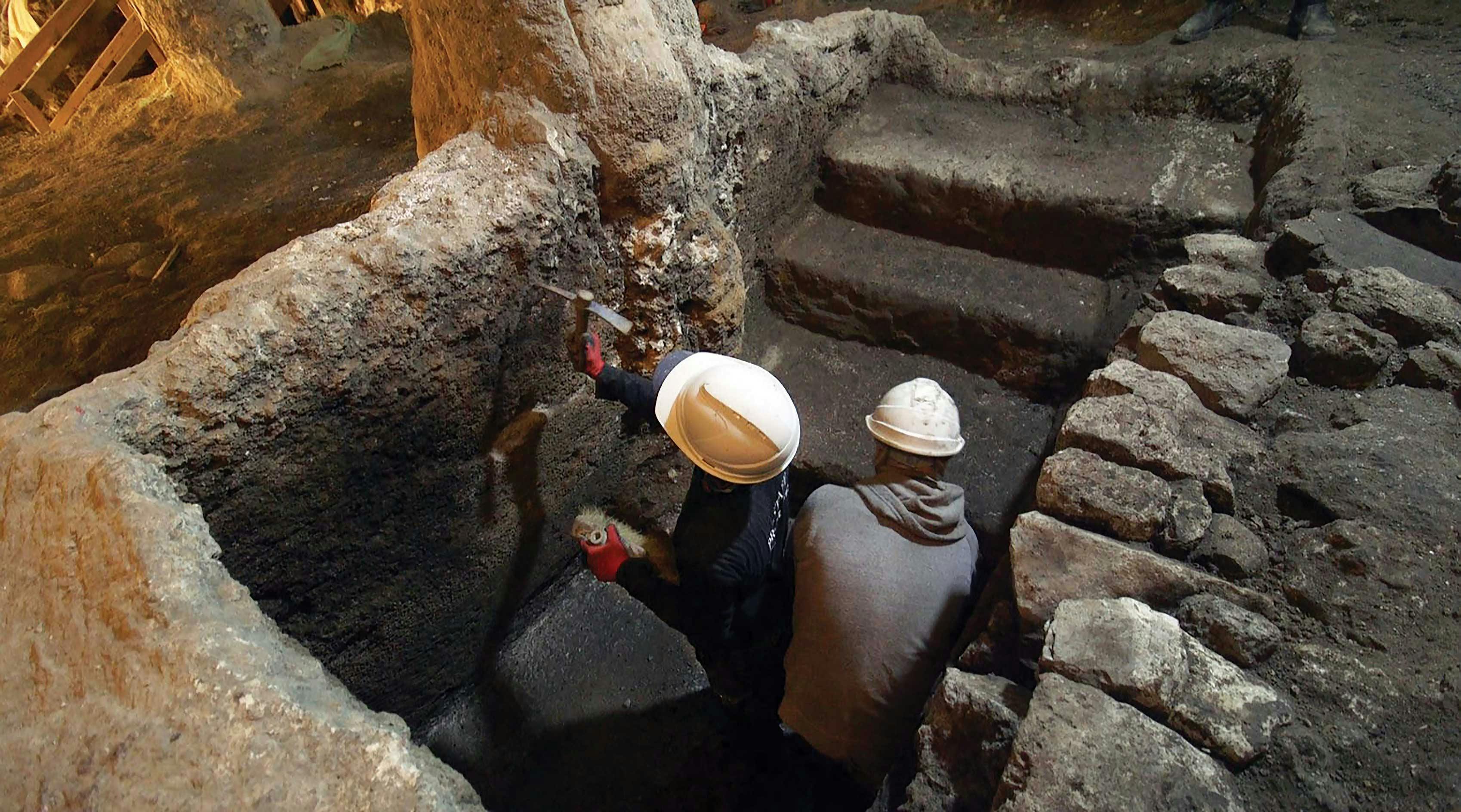
Construction works are never a simple matter in the land where the Bible played out. Before workmen can move in to break the ground ahead of a new development, the archaeologists are called in to check for remnants of ancient history buried beneath the rock and soil. Such was the case at the site of a planned highway interchange at Ein Tut in northern Israel recently. Ahead of the construction crews came the archaeologists. And for good reason.
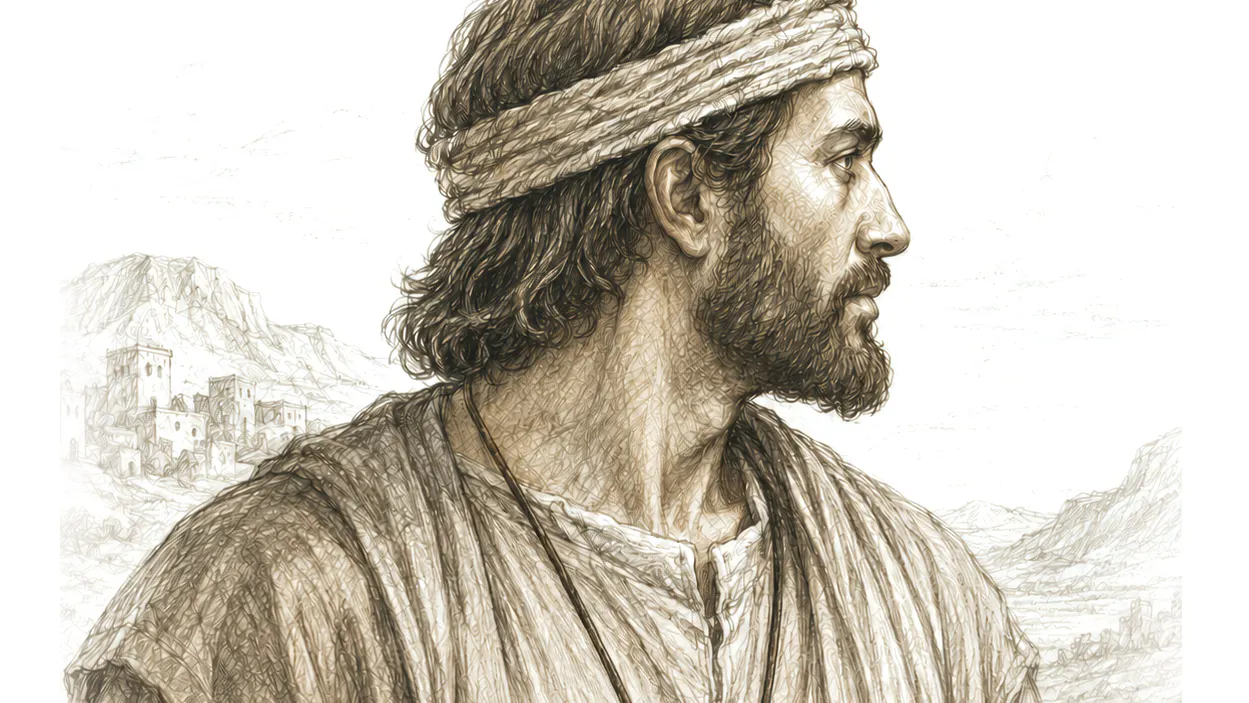
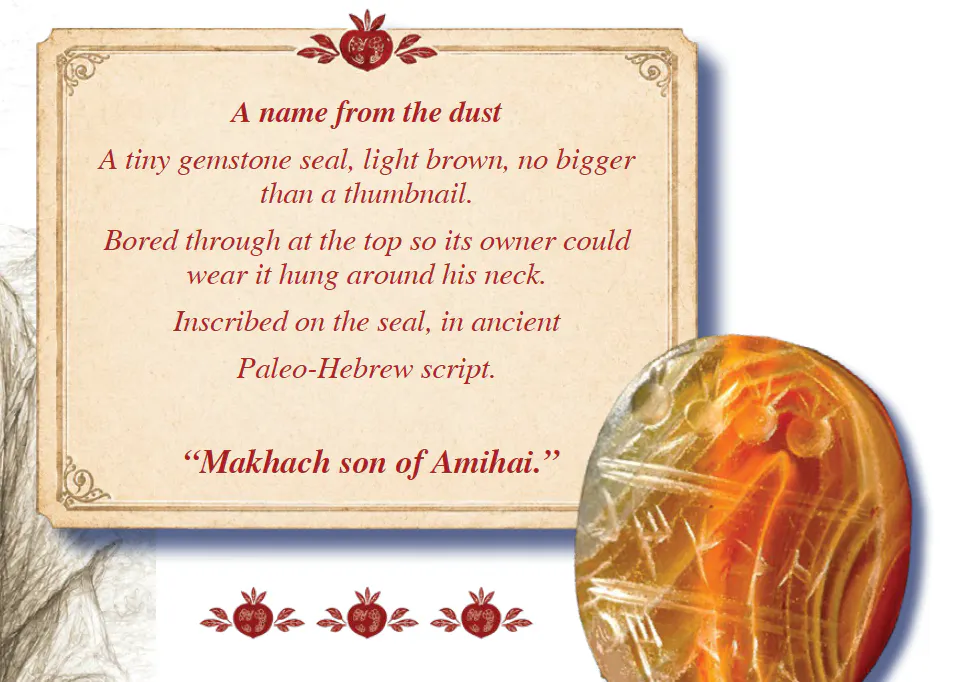
What they found was small enough to sit in the palm of your hand and significant enough to shed light on a piece of the biblical story. It was a tiny gemstone seal, light brown, no bigger than a thumbnail, dating back to the 8th century BC. The signet was bored through at the top so its owner could wear it hung around his neck and carved in three horizontal panels with meticulous precision. Inscribed on the seal, in ancient Paleo-Hebrew script, was a name no scholar had ever encountered before: Makhach son of Amihai.
Twenty-eight centuries of silence. Then, just like that, a man steps out of the dust.
Stone and Symbol
The seal was unearthed during a routine salvage excavation led by Dr. Amir Gorzalczany and Gerald Finkelstein on behalf of the Israel Antiquities Authority (IAA). The inscription was subsequently deciphered by the late epigraphist David Amit and Dr. Esther Eshel of Bar-Ilan University.
What makes this find particularly compelling is not just the name, though Makhach is a highly unusual addition to known biblical-era names. It is the imagery etched into the seal’s uppermost panel: four pomegranates, rendered with extraordinary care.
In ancient Judah, the pomegranate carried enormous symbolic weight. It adorned the robes of the high priest, sewn in blue, purple and scarlet around the hem alongside golden bells, as commanded in Exodus 28:33. It decorated the capitals of the two great pillars at the entrance to Solomon’s Temple. It appeared on coins, pottery and the carved stonework of the wealthy. To display the pomegranate was to signal proximity to power, the palace and the priesthood. Makhach’s seal bore four of them. So even though history doesn’t remember him, he was not a nobody.

A Southern Man in Northern Territory
Now the story deepens and should make every lover of Scripture sit up straight.
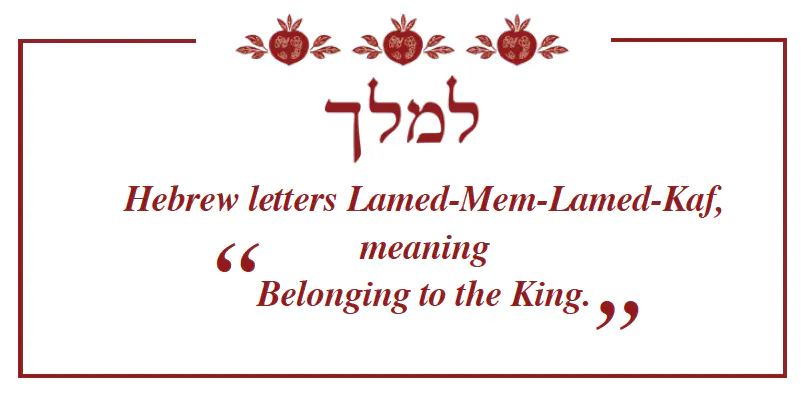
Ein Tut lies in territory that historically belonged to the northern Kingdom of Israel. Yet buried alongside Makhach’s seal were jar handles stamped with the famous LMLK royal insignia, the Hebrew letters Lamed-Mem-Lamed-Kaf, meaning “Belonging to the King.” These stamps, used to mark goods processed through royal administrative centers, named specific Judean cities: Hebron and Ziph, cities firmly within the southern Kingdom of Judah.
The implication is as striking as it is precise. Makhach was not a local northern merchant conducting ordinary trade. He was a high-ranking Judean official, a tax collector or logistics administrator, operating deep inside northern territory on behalf of the southern crown.
Scholars date the seal to the late 8th century BC, placing Makhach squarely in one of the most turbulent chapters of the biblical record: the years following Assyria’s brutal destruction of the northern kingdom in 722 BC, during the reigns of King Hezekiah or King Manasseh in the southern kingdom of Judah.
With the north shattered and the Assyrian boot on its neck, Judah moved in to care for what remained of its neighbor’s economy. It seems like Makhach was part of that administration. He wore his authority around his neck, carved in stone and crowned with pomegranates, and he worked in a land still raw with grief and conquest.
The Bible Keeps Speaking
Discoveries like this one arrive with such regularity that it would be easy to grow numb to them. Another seal. Another name from the dust. Another footnote to file away. But that would be a mistake.
Every artifact recovered from Israel’s soil is a rebuttal. A rebuttal to the claim that the Bible is legend. A rebuttal to the narrative that the Jewish people’s connection to this land is invented or recent or negotiable. A rebuttal to the steady academic and political drumbeat that seeks to sever the cord between the Jewish state and its ancient roots.
Makhach son of Amihai was a real man. He held a real position in a real administrative structure that Scripture describes in detail. He lived during a period the Bible records with extraordinary precision, kings and invasions and the slow reorganization of power across a broken land. He wore his seal around his neck and went about his work, and 2,800 years later, construction crews planning a highway interchange in northern Israel broke through the centuries and handed him back to us.
This is what the land of Israel does. It remembers what the world forgets. It holds the record when no other record survives. Dig anywhere in this country with sufficient care and patience, and the Bible looks back at you from the earth.
For those who live here, who walk these streets and drive these roads and watch the headlines roll past day after day, the seal of Makhach is more than archaeology. It is a reminder. The God who ordered pomegranates sewn onto a high priest’s robe, who watched the Assyrians sweep through the north and then watched Judah step in to hold the pieces together, who kept a tiny carved gemstone hidden for nearly three millennia until the moment was right, that God is still at work. Still keeping the record. Still speaking from the ground beneath our feet.
The highway will be built. Traffic will flow over the Ein Tut Interchange, and somewhere in that stream of vehicles may be the great-great-great-great-grandchildren of Makhach son of Amihai, driving over the ground where their ancestor once worked, unknowing. Makhach himself, a man whose name appears in no concordance, will take his place in the long, unbroken story of this land and its people.
Related Resources

Discover Your Purpose and God’s Heart For You
In today's divided, turbulent world, it's essential for the Church to rediscover God's heart. Our free e-book, authored by a seasoned expert with three decades of experience in Israel, delves deep into the teachings of Jesus (Yeshua) to reveal God’s principles of love and purpose. Learn how embracing these truths can bring significance and impact to your life, even amidst chaos. Subscribe now to receive your free copy and embark on a journey of transformation.