Ancient Workshop Offers Glimpse of Biblical Days
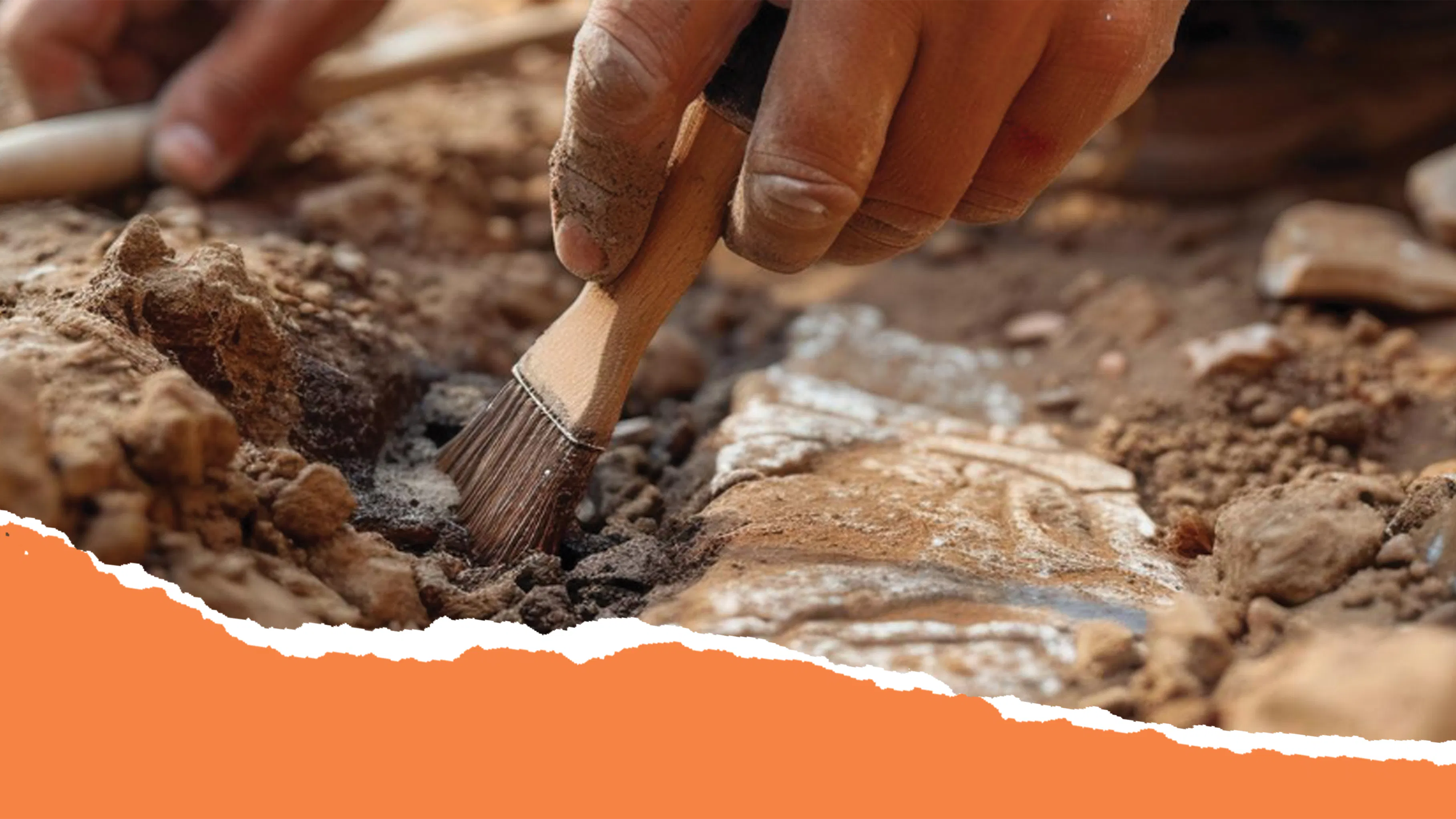
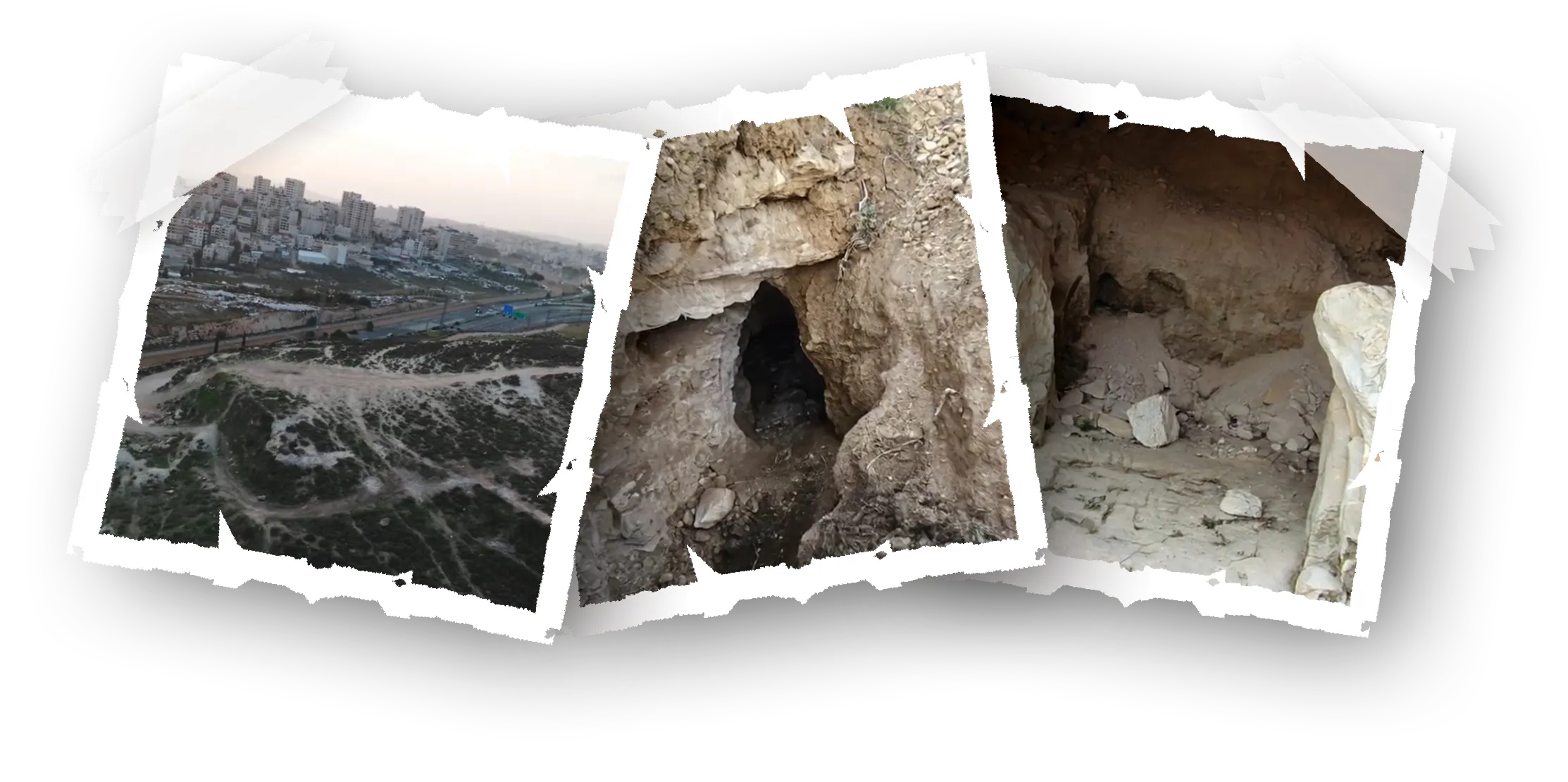
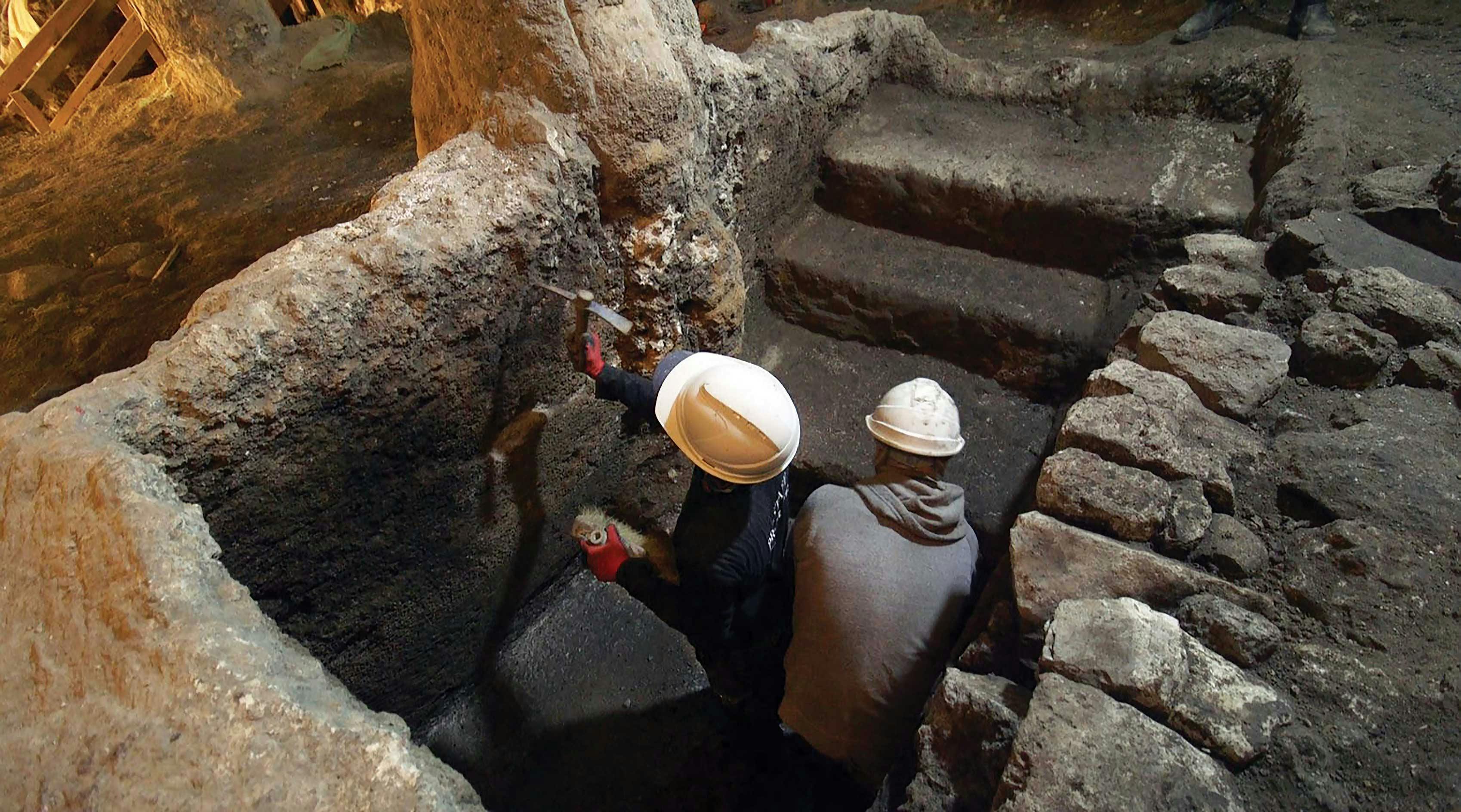
There is a certain irony in archaeology: sometimes those who seek to steal history end up helping to uncover it. That is exactly what happened recently when Israel Antiquities Authority (IAA) inspectors observed fresh excavation marks at the Ras Tamim archaeology site on the eastern slope of Mount Scopus. The IAA Theft Prevention Unit acted quickly and apprehended five suspects. In the process, the archaeologists discovered what the thieves had been after: artifacts from a 2,000-year-old workshop from the Second Temple period (516BC–AD70).
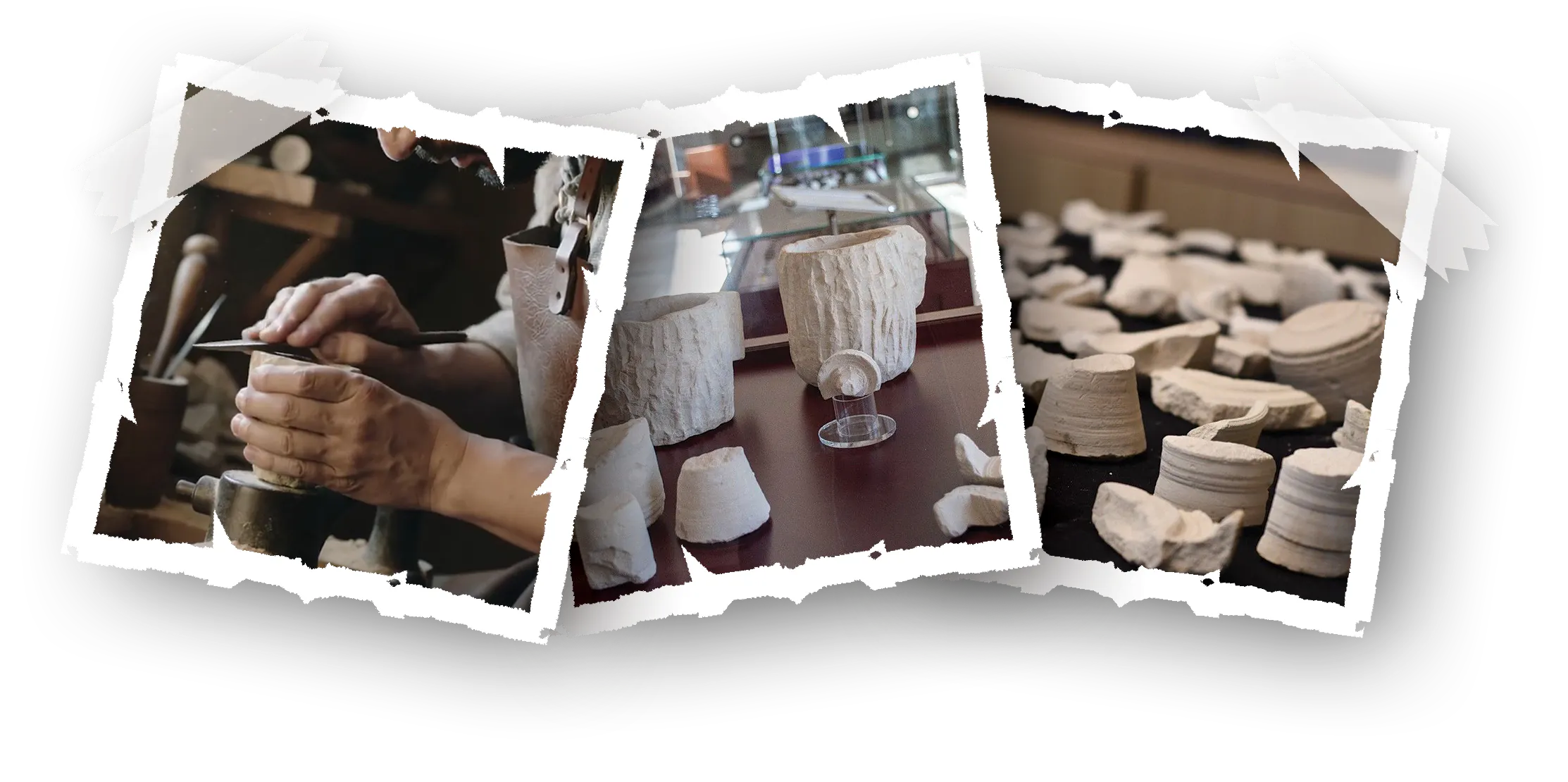
So, exactly what kind of workshop lay hidden under layers of earth? According to Dr. Eitan Klein of the Theft Protection Unit, workmen at the ancient site produced stone vessels using a lathe, a relatively advanced technology at the time. More than the workshop’s location and the product produced there, archaeologists have declared that its discovery adds to their understanding of Jewish life during that time. Dr. Klein continued, “Workshops for producing chalk limestone vessels from the Second Temple period are already known in the Judean hills. The discovery of this workshop is particularly important because now a broad picture of the region is emerging.”
Up to Jerusalem
Located along one of the ancient pilgrimage routes, this workshop would enjoy an increase in customers three times a year when all Jewish men were required to appear before the Lord during the Three Pilgrimage Festivals, namely Passover, Shavuot (Feast of Weeks) and Sukkot (Feast of Tabernacles), at the place of His choosing (Deut. 16:16). Although this requirement related to men only, entire families would typically travel to the city of Jerusalem as the Lord commanded.
This stone vessel workshop was positioned along the route that pilgrims coming from west from Jericho would have used. Many Jews from the Galilee area also followed this route, which they considered safer than taking the faster and more direct way through Samaria.
When the pilgrims had almost reached the Temple in Jerusalem, they might stop to rest before entering the holy city, purchase a stone vessel or make themselves ritually clean. They could do all these things at or near the recently-discovered workshop, which did not stand in isolation but rather was centrally located together with other sites. Dr. Klein notes that “a host of other finds dating back to the days of the Second Temple were discovered—tombs, large water reservoirs, a purification bath or mikveh and a limestone quarry.”
The Importance of Purity
Purity, or cleanliness before God, was important to the Jewish people. Much of the book of Leviticus addresses the “clean” and “unclean,” with relation to foods, disease, mold in the walls of a home and sexual relations. Cleanliness, or consecration, was especially important for the priests. For example, the Lord gave the following instructions, “Then you shall bring Aaron and his sons to the door of the tabernacle of meeting and wash them with water. You shall put the holy garments on Aaron, and anoint him and consecrate him, that he may minister to Me as priest” (Exod. 40:12–13 emphasis added).
The late Second Temple period was a time when the general population, not just the priests, strictly applied the laws of purity and impurity. According to Avi Blizovsky, an Israeli science and technology journalist, “During this period, purification mikvehs began to be installed in private homes, in villages and towns in the countryside, alongside large purification mikvehs in the city of Jerusalem, near the Temple and along the roads leading up to Jerusalem.”
Not only did the pilgrims cleanse their bodies, they also observed dietary laws with regard to vessels used with food and drink. According to Jewish law, stone vessels could not transmit impurity, thus making them important for both Jewish pilgrims and those who lived in Jerusalem year-round. The workshop was, in a sense, an early factory that produced items needed for a life pleasing to God.
A World Preserved
Today we see many attempts to rewrite history, especially when it comes to the Jewish presence in the Land. In such cases, the archaeological evidence, such as the discovery of the stone vessel workshop, is critically important as it proves without a doubt that Jews have been present here for thousands of years.
Addressing this discovery, Heritage Minister Rabbi Amichai Eliyahu said, “The stone-vessel workshop uncovered in Jerusalem is not merely an archaeological site, but a window into a world preserved deep within the ground, waiting for us. Two thousand years ago, Jews ascended to Jerusalem from Jericho, Transjordan, and the Dead Sea region, and the stone vessels produced here accompanied them on their way to the Temple. Now, as the earth returns what it safeguarded for us, we are obliged to give back, to protect every root, every vessel, every layer. Attempts by our enemies to loot antiquities are not crimes of financial theft, but efforts to steal our identity. We will not allow this, and will continue to act decisively to preserve and safeguard what has always been ours, and always will be.”
Archaeology in Israel is like a puzzle with new pieces being found on a regular basis, each one adding to the knowledge of the past. As Rabbi Eliyahu said, the stone vessel workshop is “a window into a world preserved … waiting for us.” In conclusion, we ask expectantly: “When will the next piece of evidence of Jewish presence in the Land of Israel be discovered, and what mysteries will it unlock?”
Related Resources

Discover Your Purpose and God’s Heart For You
In today's divided, turbulent world, it's essential for the Church to rediscover God's heart. Our free e-book, authored by a seasoned expert with three decades of experience in Israel, delves deep into the teachings of Jesus (Yeshua) to reveal God’s principles of love and purpose. Learn how embracing these truths can bring significance and impact to your life, even amidst chaos. Subscribe now to receive your free copy and embark on a journey of transformation.