Traveling Through Biblical History Today
As you leave Jerusalem and cross into an area the world insists on calling the West Bank, there is a change in the atmosphere. You have entered the biblical heartland of Israel, its center and core.
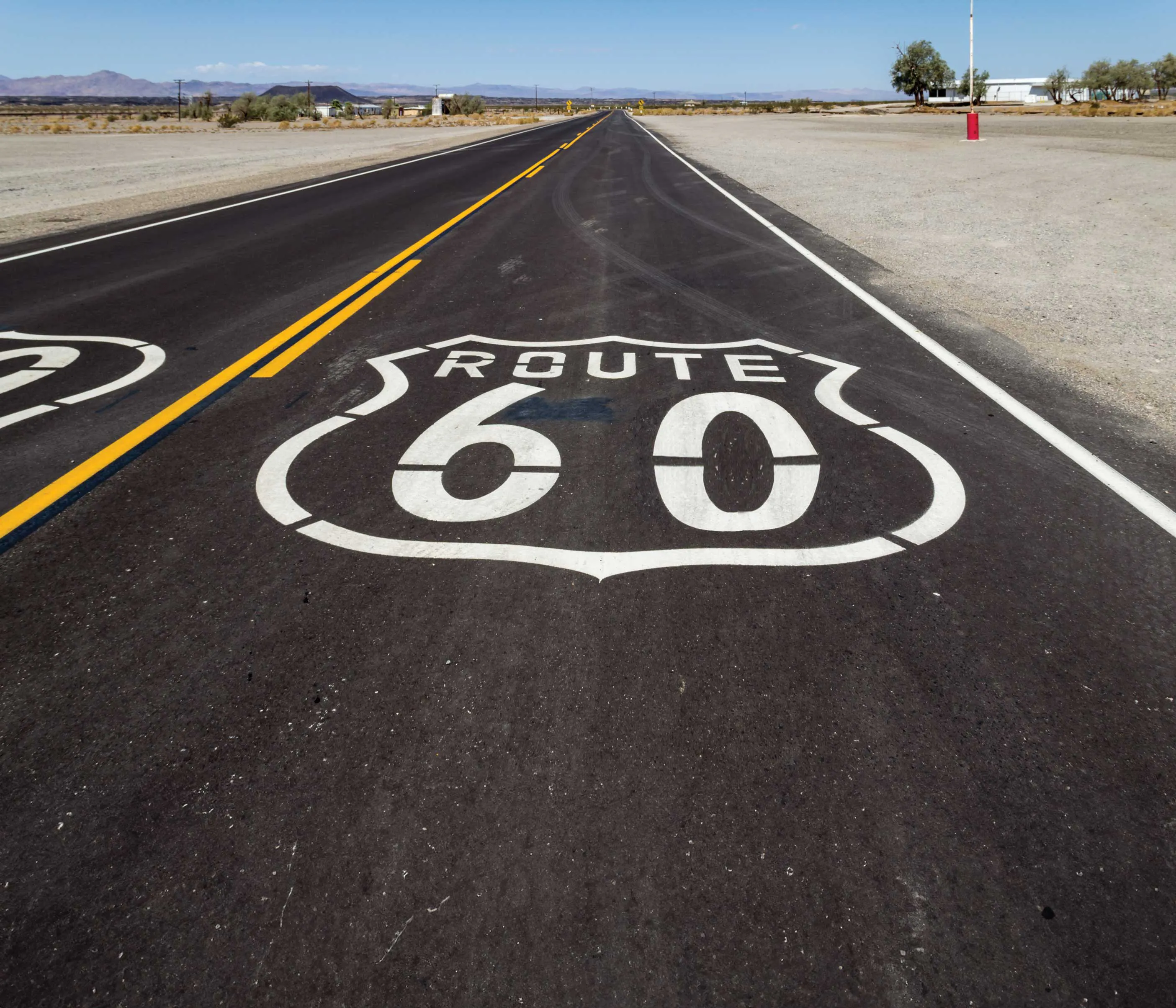
Just as human bodies have a spine that holds them together, the Promised Land has one too. In ancient days, it was known as the “Way of the Patriarchs.” Today, we call it Route 60. From Beersheva in the south, it travels straight north for 235 km. (146 mi.) until it reaches Nazareth, passing just about every significant site of ancient Jewish history—and many biblical ones too.
Have you noticed that areas which have the strongest biblical connection are the places where the enemy fights the hardest? That is the story of Israel’s heartland—Judea and Samaria—and Route 60, the road that connects areas where Abraham, Isaac and Jacob lived so long ago.
“Who’s Who” of Important Places
I first heard Route 60 described as Israel’s spine by Rabbi Moshe’s wife, a 40-year resident of Itamar. On the day of our visit to this small Jewish community in Samaria, we had traveled there the “long way around,” as Route 60 has been the scene of many terror attacks in the past. However, the Rebbetzin encouraged us to return to Jerusalem via Route 60, asking us to consider the road’s “anchor points,” namely Hebron, Bethlehem, Jerusalem, Shiloh. The names of these communities—and others along Route 60—read like a “Who’s Who” of important places in Jewish and biblical history.
Up to the City of the Great King
Route 60 begins in Beersheva and so will we. Genesis tells us that Abraham actually named this spot Beersheva, the place where he swore an oath with Abimelech, king of the Philistine city of Gerar (21:31). The two men settled a dispute over a well Abraham dug and Abimelech’s servants filled in. Following the resolution, Abimelech returned home, but Abraham “planted a tamarisk tree in Beersheba, and there called on the name of the Lord, the Everlasting God” (21:33).
The city of Hebron is approximately 50 km. (31 mi.) north of Beersheva, and Abraham plays a key role here as well. After the death of his wife Sarah, Abraham bought the Cave of Machpelah from Ephron the Hittite, the transaction witnessed by the sons of Heth and its deed of sale recorded in Scripture (Gen. 23:16–18). Later, during the Israelite conquest of Canaan, the entire city of Hebron was given to Caleb as an inheritance (Josh. 14:13).
The Heart of Holy History
Mentioned nearly 50 times in Scripture, Bethlehem figures in the accounts of the patriarch Jacob, Ruth the Moabite woman who returned with Naomi, King David and many others. As Christians, we remember Bethlehem as the birthplace of Jesus (Yeshua), our Savior. Today, Bethlehem is a city under the full control of the Palestinian Authority and as such, Israeli citizens are not allowed to enter it. Yet many Jews travel to Rachel’s Tomb, a highly revered place in Judaism, which is located at the northern entrance to the city.
Then there is Jerusalem, a city set apart and a place like no other. The reason for this unique status is clear from Scripture. “For the Lord has chosen Zion; He has desired it for His dwelling place: ‘This is My resting place forever; here I will dwell, for I have desired it’” (Ps. 132:13–14).
Jerusalem is the heart of Israel. Even Jews living outside the Land of Israel longingly conclude their Passover seders with the words, “Next year in Jerusalem.”
Beyond Jerusalem’s Horizon
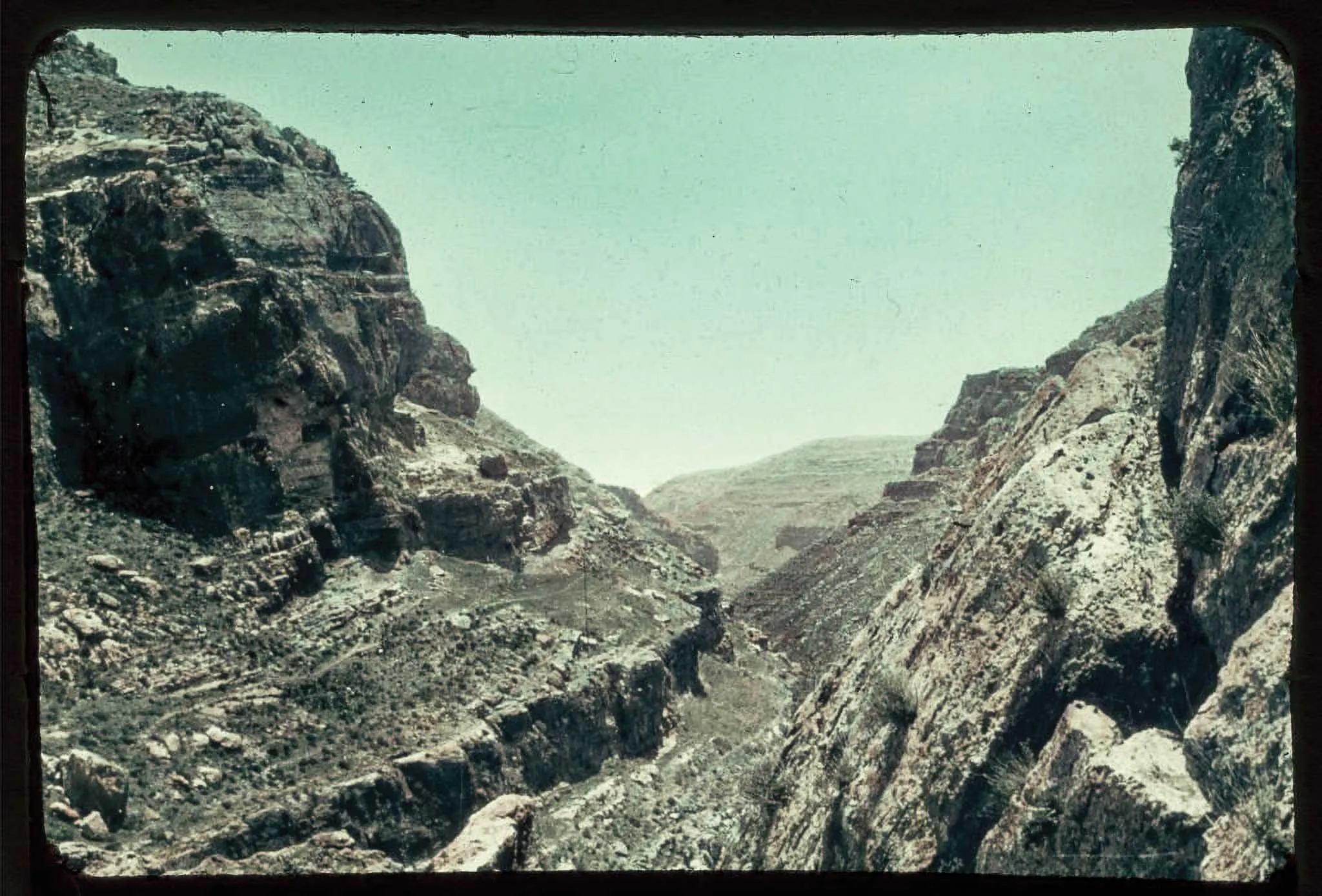
North of Jerusalem lies Michmash, one place where Saul and Jonathan fought the Philistine armies (1 Sam. 13). Ai comes next, one of the cities mentioned in Abraham’s nomadic travels (Gen. 12:8) and again during Joshua’s early military campaign (Josh. 7, 8).
Route 60 then passes Beit El, the “House of God,” where Jacob stopped on his way to Haran. Here he dreamt of a ladder between heaven and earth; one that the Lord Himself stood above as He repeated the promise He had made to Abraham, a promise that Jacob would inherit the land where he was sleeping (Gen. 28:12–13).
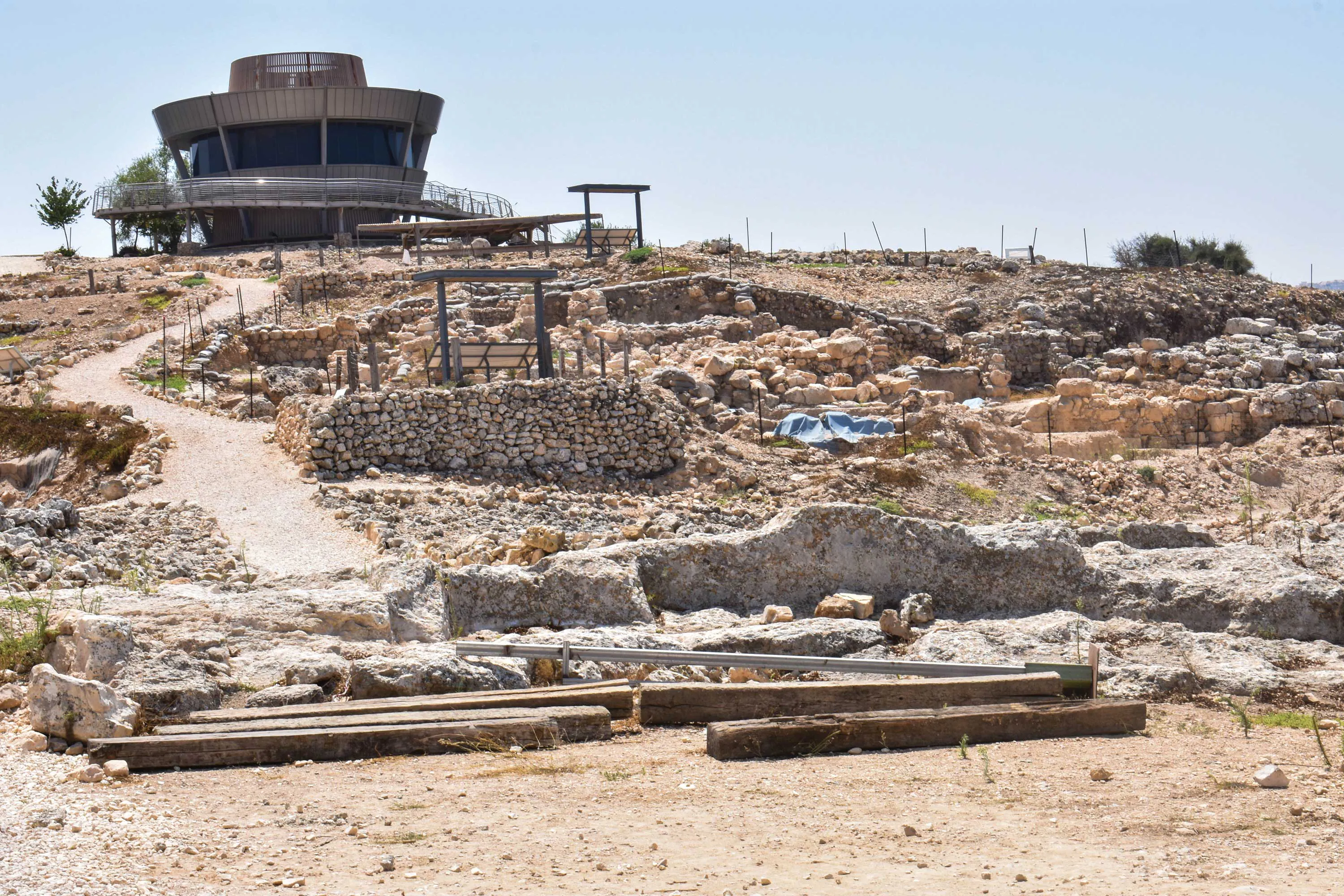
Winding further north, Rout 60 offers glimpses of ancient Shiloh, home of the Tabernacle for 369 years. Then comes Har Bracha, a Jewish community perched on the southern ridge of Mount Gerizim, where six tribes stood to recite blessings following Israel’s reentry into the land under Joshua (Deut. 27:12). From there, it is on to Shechem (Nablus), a city under complete Palestinian control. Shechem is home to the site of Joseph’s tomb, which is now only accessible to Jews under IDF escort. Next is Mount Ebal, the corresponding mountain from which the remaining six tribes of Israel in Deuteronomy 27:13 pronounced curses.
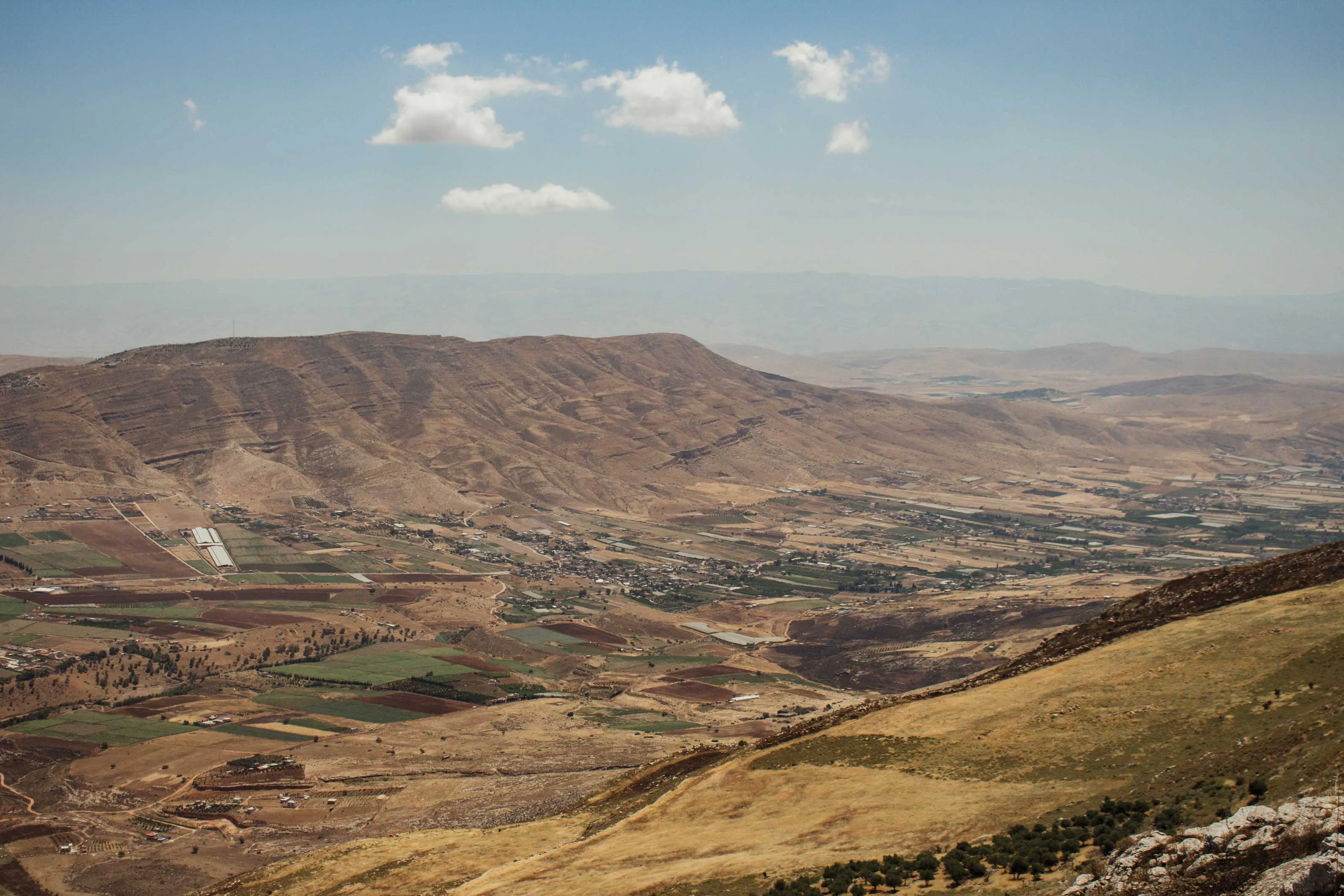
Overlooking Shechem is Elon Moreh, the birthplace of a future Israel, the place where Abraham built an altar to the Lord after receiving the promise that the land stretched out around him would one day belong to his descendants (Gen. 12:7). From Shechem, only 97 km. (60 mi.) remains before reaching Nazareth and the end of Route 60. But that is a story for another day…
Call it What it Is
The land that Route 60 or the Way of the Patriarchs transverses is the most biblically rich and significant area in Israel. The enemy has fought hard to diminish that truth, and the battle continues. One of the enemy’s weapons is the use of the term “West Bank.” It is a political name and does not reflect God’s truth. It’s time we insist that this area be called what it is: Judea and Samaria.
Related Resources


Discover Your Purpose and God’s Heart For You
In today's divided, turbulent world, it's essential for the Church to rediscover God's heart. Our free e-book, authored by a seasoned expert with three decades of experience in Israel, delves deep into the teachings of Jesus (Yeshua) to reveal God’s principles of love and purpose. Learn how embracing these truths can bring significance and impact to your life, even amidst chaos. Subscribe now to receive your free copy and embark on a journey of transformation.