The Flotilla and the Fiction
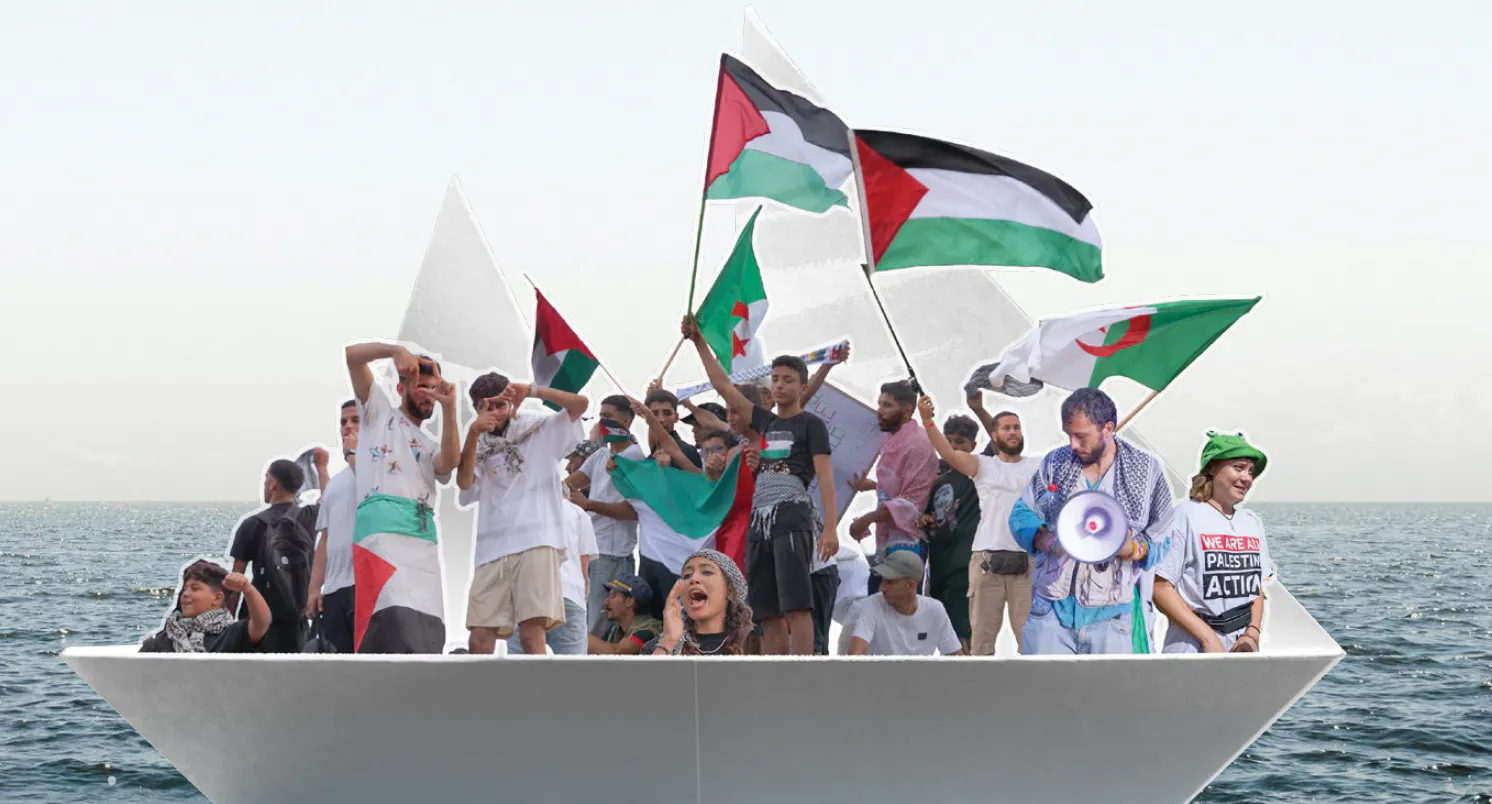
In late April, a flotilla of boats set sail toward Gaza. The official messaging from the Global Sumud Flotilla and affiliated groups described the mission as urgent and noble: carrying aid to a desperate, besieged people. International media reported it simply as an aid flotilla.
By May 19, Israeli forces had intercepted every vessel. Participants were detained, processed and deported. Then social media erupted. Activists wept openly, wailing that Israel’s actions robbed suffering children of essential relief they desperately required, the very aid the flotilla members were selflessly delivering to Gaza’s shores.
The images were carefully composed, the language deliberately devastating and the narrative perfectly packaged for maximum emotional impact. But the story had cracks. And some of the organizers themselves put them there.
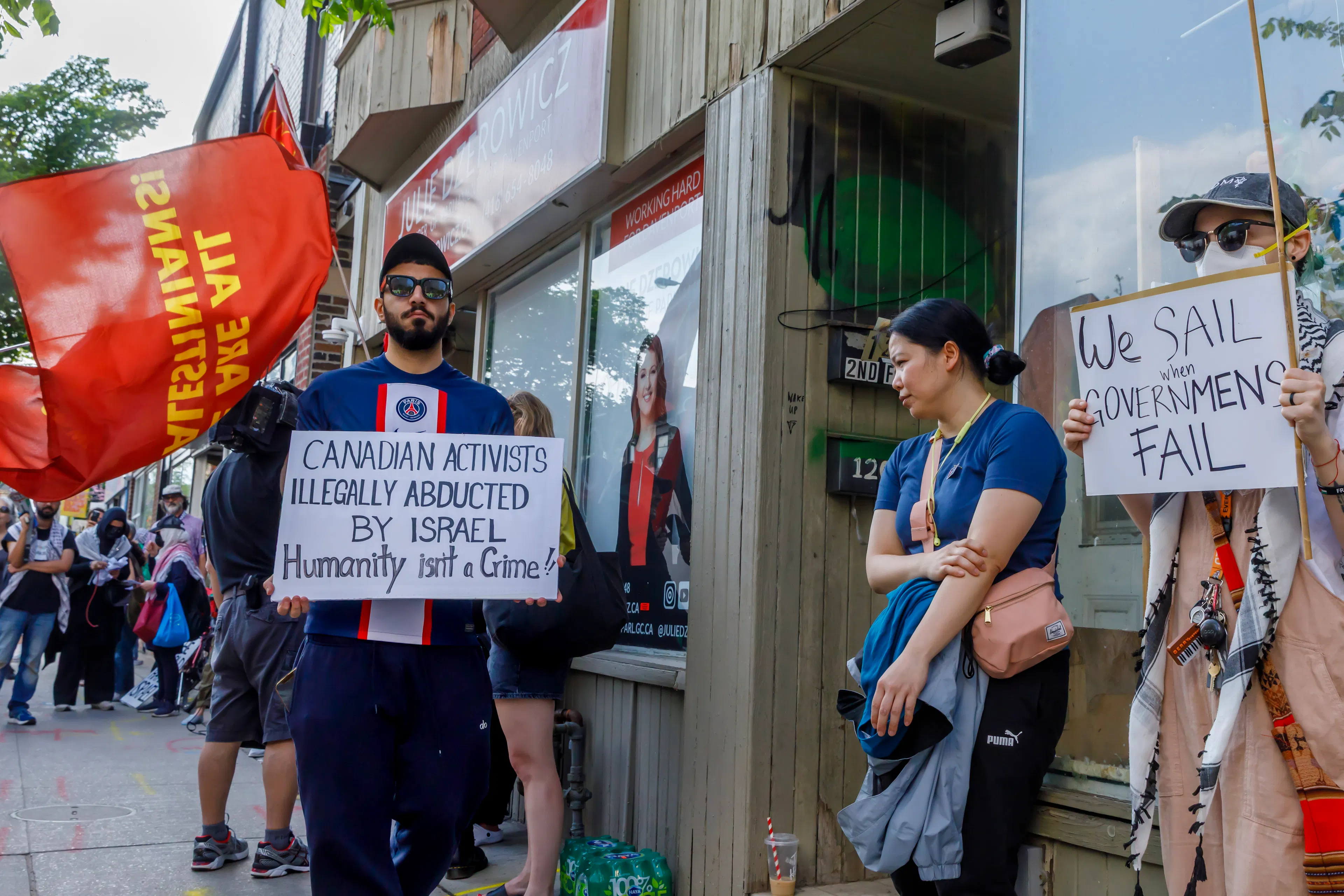
In a video published by the Palestinian Youth Movement NYC, co-vessel organizer Rosa Martinez explained that describing the flotilla as “some sort of humanitarian aid mission” was “flattening what it is…what we’re doing.” There was aid aboard, she acknowledged, but the more important objective was directly confronting Israel’s blockade.
Then, after Israeli authorities boarded the vessels and published footage showing the boats were carrying next to nothing, the official Global Sumud Flotilla account posted: “Breaking the siege on Gaza was not about aid. It was about breaking the siege on Gaza!”
Perhaps that is the most honest thing the flotilla movement has said.
A History of Political Theater
This was not the first such voyage, nor will it be the last. The flotilla initiative stretches back to 2008, when the Free Gaza Movement organized the first civilian vessels to the Strip.
In 2010, the Mavi Marmara incident turned a political stunt into an international crisis when Israeli commandos boarded a Turkish vessel, violent clashes broke out and ten activists were killed. The world reacted with outrage and Israel absorbed the diplomatic fallout.
Between 2011 and 2018, a succession of flotillas sailed under various names. Most were delayed, turned back or seized before reaching Gaza. None succeeded in establishing a maritime corridor.
After the October 7 massacre sparked a brutal war, the missions intensified. The 2026 effort brought roughly 60 boats and nearly 600 activists from 40 countries in two waves. By May 19, it was all over and the activists were heading home. Many arrived at Istanbul airport to waiting crowds, cameras rolling, fists raised.
It was, in every sense, a performance.
So Where’s the Aid?
If the mission’s aim was bringing aid to desperate families, the obvious question is why the boats carried almost nothing. Even Al Jazeera reported only symbolic quantities of supplies on board.
The Freedom Flotilla Coalition’s own website states explicitly that it is “not an aid organization,” yet they crowd-source donations from the public. According to the coalition’s financial disclosures, roughly 92% of the 2026 mission’s expenditures went toward nautical and operational costs: boats, fuel, safety equipment, training and global recruiting efforts.
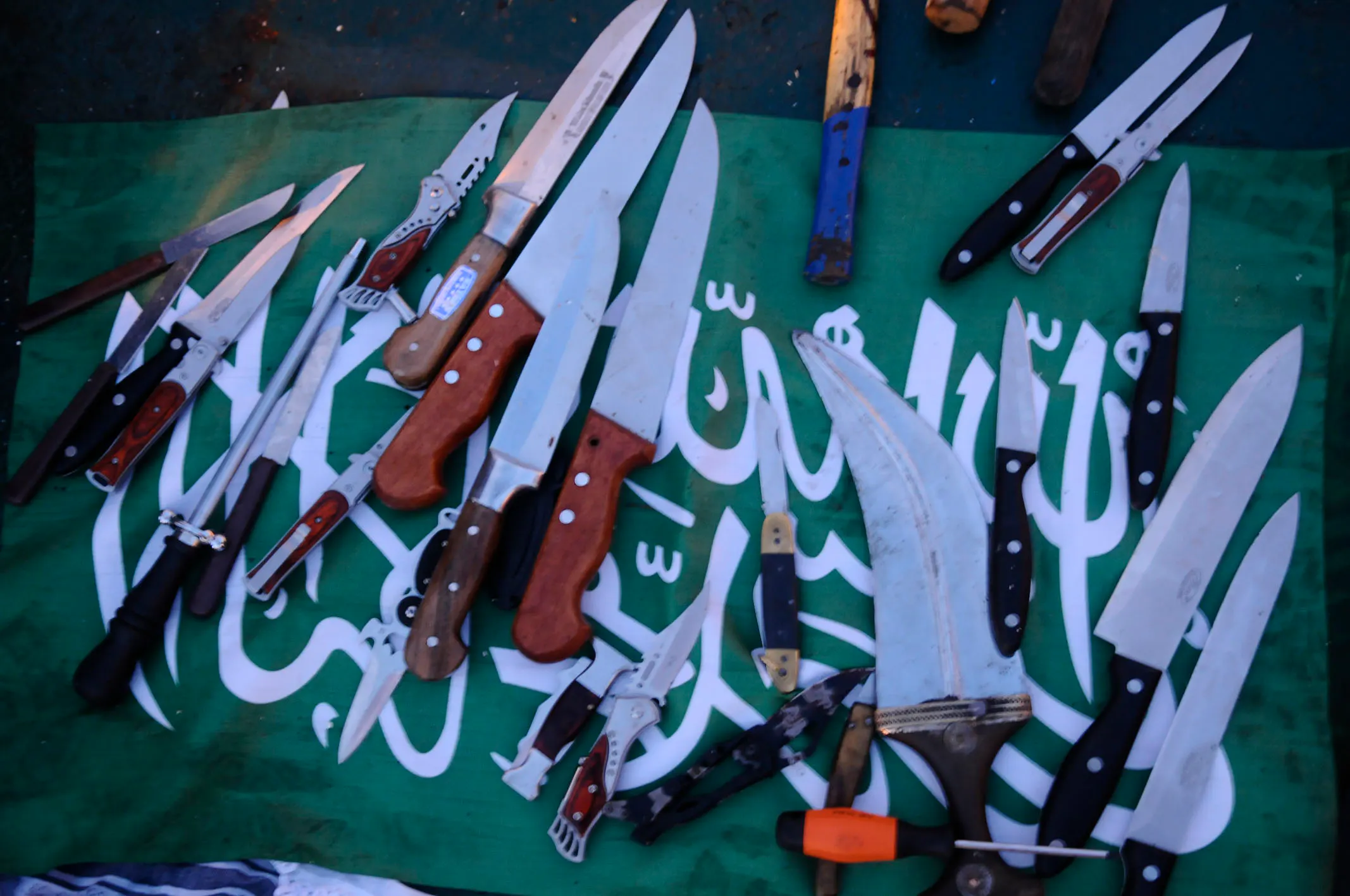
If the goal were genuinely humanitarian, established land channels exist specifically to move supplies into Gaza. Those channels, imperfect as they are, actually deliver goods to civilians. Sailing into a blockade doesn’t. It provokes a confrontation, generates footage and produces a narrative. But then, that’s what the flotilla is designed to do.
Why the Blockade Exists
Both Israel and Egypt imposed the Gaza blockade following Hamas’s 2007 violent takeover of the Strip to prevent the smuggling of weapons, explosives and military technology to Hamas and other terror organizations. Both Israel and Egypt made that decision on the strength of cold, hard evidence of what open borders were being used for.
In 2002, Israeli commandos intercepted the Karine A in the Red Sea carrying 50 tons of Katyusha rockets, rocket-propelled grenades, mortars and anti-tank weapons hidden aboard, bound for Gaza under the Palestinian flag, financed by Iran.
In 2009, the Victory 5 was caught carrying sniper scopes and anti-tank weapons for Palestinian Islamic Jihad. Eight months later, the Francop was seized off Cyprus carrying another fifty tons of Iranian rockets hidden in shipping containers.
In 2011, the UN’s Palmer Report concluded that Israel faced a genuine security threat and that the blockade was a legitimate security measure under international law. This finding has tragically stood the test of time.
The October 7 massacre was the result of years of weapons accumulation: RPGs, grenades, drones and explosives, assembled through tunnels, trucks and sea routes. As catastrophic as the attack was, it could have been significantly worse. Hamas does not possess advanced weapons technology, not for lack of trying but quite simply because of the blockade.
Hamas leaders, backed by Iran, have since vowed to repeat October 7 whenever the opportunity arises. It’s no empty threat. They’ve already demonstrated what they’ll do when the means are available. Handing those means back to people who have used them and promised to do so again is national suicide.
The Language of Victimhood
When Israeli forces boarded the flotilla in May, participants immediately described themselves as “kidnapped,” “abducted” and “held hostage.”
Using such language in the aftermath of October 7, when Israeli men, women and children were dragged into Gaza, tortured, starved, murdered and held underground for months, is a calculated appropriation of horror in service of a political performance. Temporary detention and deportation during enforcement of a legally recognized blockade are not remotely comparable to what Hamas did in the tunnels beneath Gaza.
Moreover, footage released by Israeli authorities showed detainees smiling, filming themselves and interacting casually aboard Israeli vessels. This sat awkwardly alongside the more extreme claims circulating online.
In short, the activists had sailed toward a confrontation they fully expected, and the confrontation delivered exactly what they came for: imagery, outrage and a narrative casting Israel as the villain.
What This Is Really About
Israel isn’t a perfect country. No country is. Reasonable people can and do disagree with specific Israeli policies. Those are legitimate conversations that deserve honest engagement.
But the flotilla movement isn’t interested in honest engagement. It isn’t interested in aid delivery, because if it were, the boats would carry aid rather than cameras. It isn’t interested in Palestinian welfare, because if it were, its organizers would pressure Hamas to stop using civilians as human shields and lay down arms. It isn’t interested in peace, because peace would end the confrontation it depends on.
The flotilla activists are interested in one thing: the theater of delegitimizing Israel with themselves cast in the leading role as altruistic saviors receiving a standing ovation from a world audience. The flotillas were never a lifeline offered to the people of Gaza. It was a lens, pointed at Israel, framing a story that was decided long before the boats left port.
Related Resources



Discover Your Purpose and God’s Heart For You
In today's divided, turbulent world, it's essential for the Church to rediscover God's heart. Our free e-book, authored by a seasoned expert with three decades of experience in Israel, delves deep into the teachings of Jesus (Yeshua) to reveal God’s principles of love and purpose. Learn how embracing these truths can bring significance and impact to your life, even amidst chaos. Subscribe now to receive your free copy and embark on a journey of transformation.