The Iran War’s Unexpected Winner
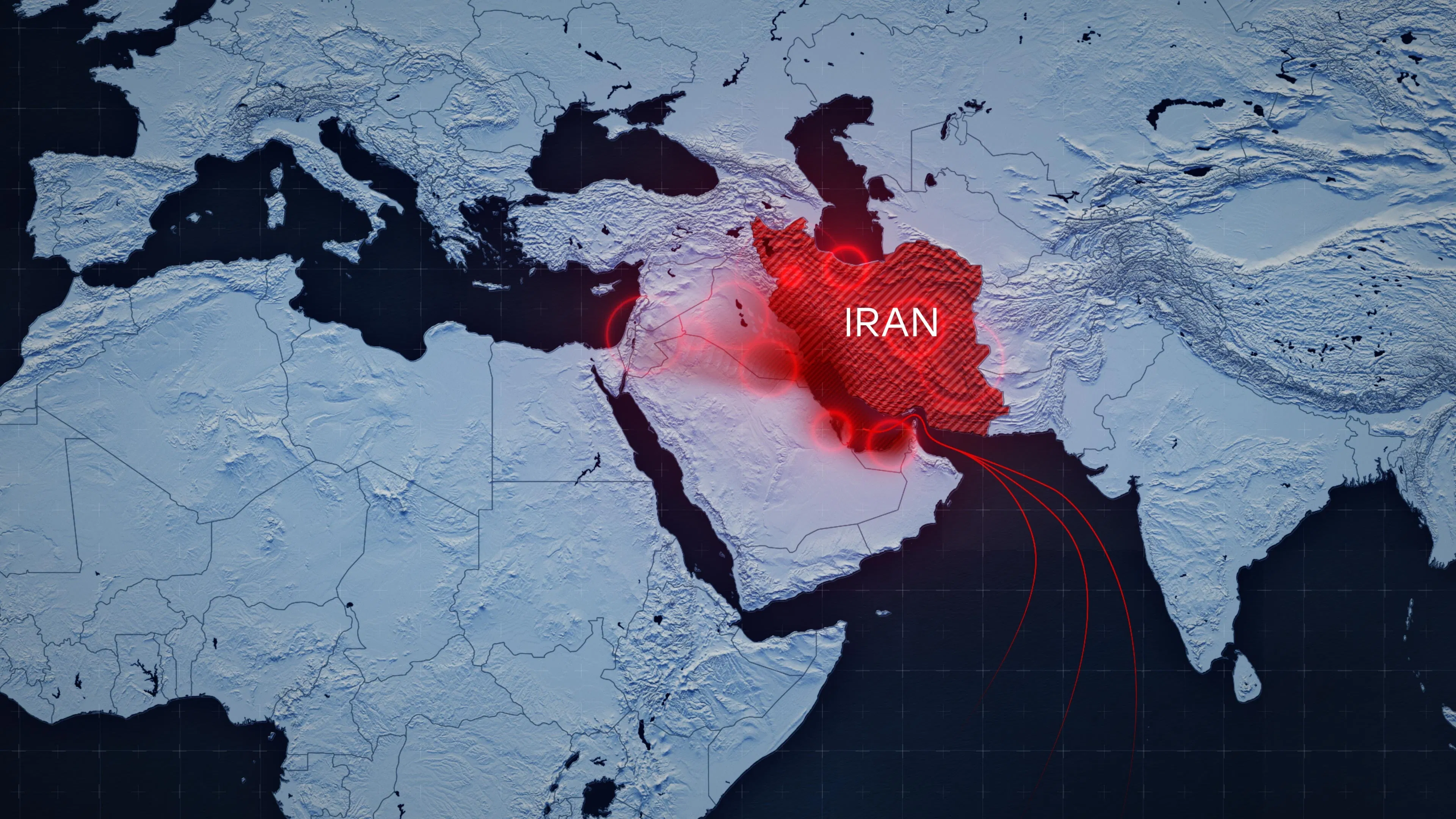
It was just after dawn on March 2, 2026, when air raid sirens wailed across Riyadh. Iranian ballistic missiles streaked toward the kingdom’s eastern oil heartland, one slamming into the outskirts of the Ras Tanura refinery, sending plumes of black smoke into the sky. Saudi Arabian defenses intercepted most projectiles, but debris still rained down on civilian areas, and reports trickled in of minor casualties near key facilities.
In the hours that followed, Saudi officials reached out through back channels, not only to Washington, but also to Jerusalem. Intelligence sharing on Iranian missile trajectories and drone patterns, already a quiet reality for years, kicked into higher gear.
This wasn’t the first such collaboration, but this time, things were different. The war between Israel and the US against the Iranian regime has pulled Gulf states deeper into the fray than many anticipated. Iran’s retaliation inexplicably lashed out at its Arab neighbors, with missiles and drones targeting sites in Saudi Arabia, the UAE, Qatar, Bahrain, Kuwait and Oman, damaging infrastructure, closing airports temporarily and briefly shutting down energy companies. In Saudi Arabia alone, strikes targeted Riyadh, the Eastern Province and the US embassy compound. Iran’s “mosaic defense” strategy, once aimed primarily at Israel and US bases, now threatened the stability Gulf monarchies had built their modern economies upon.

To What End?
Iran’s campaign appeared wildly indiscriminate, hitting sovereign territory, endangering civilians and damaging hotels, airports, ports and energy hubs beyond any claimed military rationale. Analysts noted the absence of clear strategic restraint. Tehran struck neighbors who had publicly urged de-escalation, shattered the fragile post-2023 peace with Saudi Arabia and alienated states that had avoided direct confrontation for years. In doing so, Iran seemed to achieve the outcome it had tried to prevent for decades: forging a union of Arab states—together with Washington and Jerusalem—against it.
The attacks sparked outrage and solidarity among Gulf monarchies, who had long feared being dragged into others’ conflicts but now faced existential economic and security threats from a seemingly desperate regime.
The Thaw
For decades, Saudi Arabia and Israel viewed each other through a lens of hostility rooted in the Arab–Israeli conflict. Official relations didn’t exist. Saudi passports barred travel to Israel and public rhetoric condemned the “Zionist entity.” Yet beneath the surface, shared interests simmered. As early as the 2010s, reports emerged of covert meetings between Israeli intelligence chiefs. Then, in 2022, then-IDF Chief of Staff Aviv Kohavi joined senior Arab military leaders in Sharm el-Sheikh to discuss countering Iran.
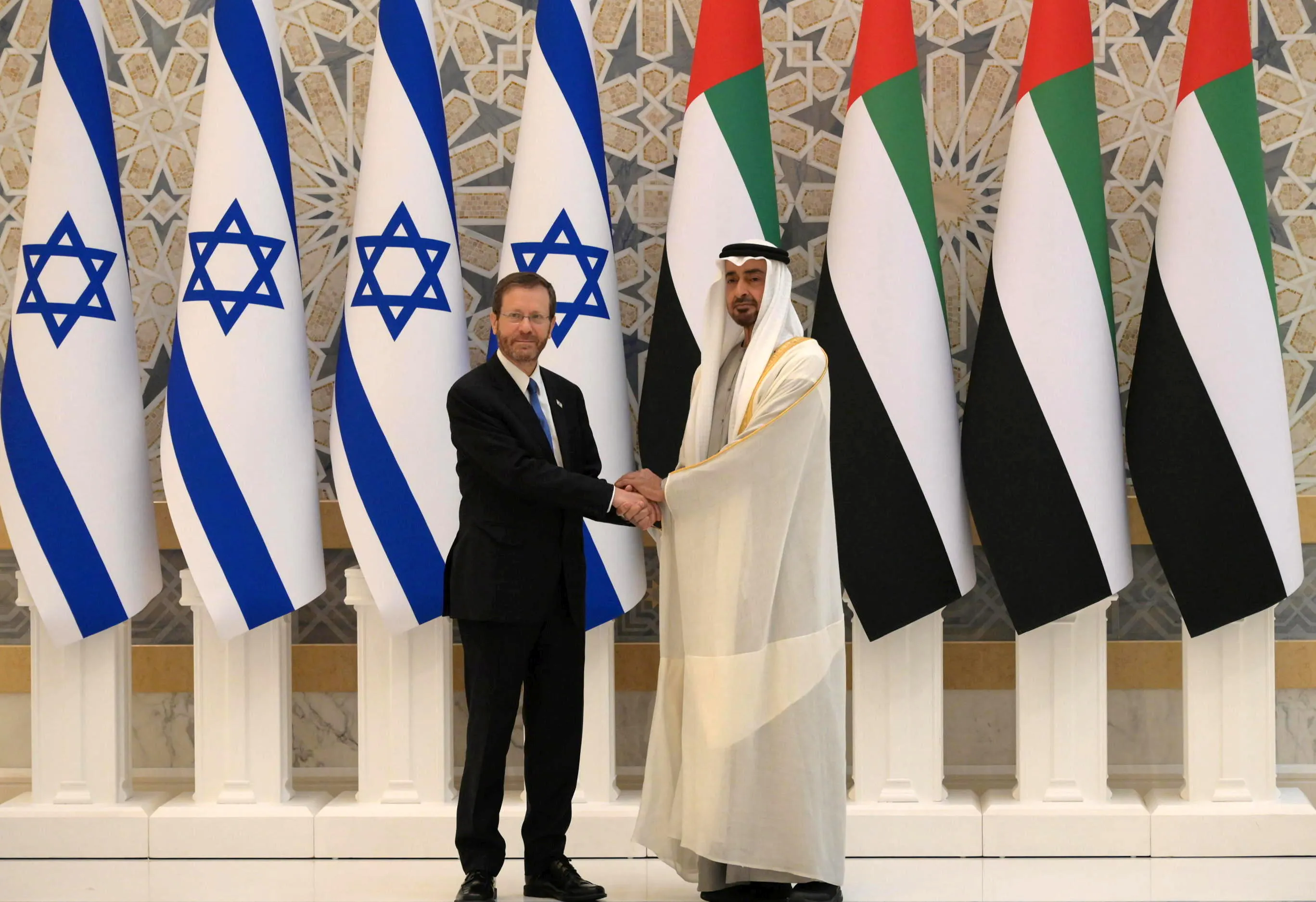
Make no mistake. This wasn’t a friendship, but rather a necessity born from facing a common foe: Tehran’s nuclear ambitions, ballistic missile program and proxy armies.
The 2020 Abraham Accords dramatically accelerated this thaw. The UAE and Bahrain normalized ties with Israel, followed by Morocco and Sudan, forging open economic, technological and security partnerships. Saudi Arabia stayed on the sidelines publicly, insisting any deal hinge on Palestinian statehood progress. Crown Prince Mohammed bin Salman reiterated in 2023 that normalization required “a clear pathway” to Palestinian independence with east Jerusalem as its capital. Yet privately, cooperation grew. Israeli overflights through Saudi airspace became routine, intelligence on Iranian threats flowed and economic whispers about tech investments and desalination expertise hinted at what could be.
Then came the war. Iran’s proxies had already hammered the Gulf region for years, but direct Iranian missiles on Gulf cities marked a red line. UAE authorities reported intercepting hundreds of projectiles, while Saudi Arabia detected missiles and drones over key sites. Qatar’s LNG operations and Bahrain’s aluminum plants faced severe disruptions.
The backlash was swift and unified: Arab and Muslim foreign ministers convened in Riyadh on March 19, issuing a joint statement asserting the right to self-defense under UN Charter Article 51. Saudi Arabia, long cautious, now spoke of reserving “all necessary measures” to respond aggressively to Iran.
Iran’s attacks have deepened vulnerabilities and highlighted the limitations of old alliances. Despite US bases on their soil, Gulf states found American interceptors were stretched thin. Israel, with its multilayered air defenses, real-time intelligence from Mossad and impressive offensive capabilities suddenly looks less like a historical adversary and more like an indispensable partner.
Related Resources



Discover Your Purpose and God’s Heart For You
In today's divided, turbulent world, it's essential for the Church to rediscover God's heart. Our free e-book, authored by a seasoned expert with three decades of experience in Israel, delves deep into the teachings of Jesus (Yeshua) to reveal God’s principles of love and purpose. Learn how embracing these truths can bring significance and impact to your life, even amidst chaos. Subscribe now to receive your free copy and embark on a journey of transformation.