Israel: A “Pariah State”—or a War of Narratives?

In the aftermath of Hamas’s October 7, 2023 attack—when 1,200 Israelis were brutally murdered—Israel’s military response in Gaza quickly made it the focus of intense global condemnation. Across media, governments and public discourse, the Jewish state has increasingly been labeled a “pariah state.” But what does that label actually mean, and does it apply?
A pariah state is typically one that is isolated internationally due to aggressive behavior, disregard for international law or gross human rights violations. Historically, this term has been reserved for regimes like North Korea or Syria, states broadly rejected by the global community. Is Israel truly comparable? Or is something else driving this narrative?
The Power of Perception
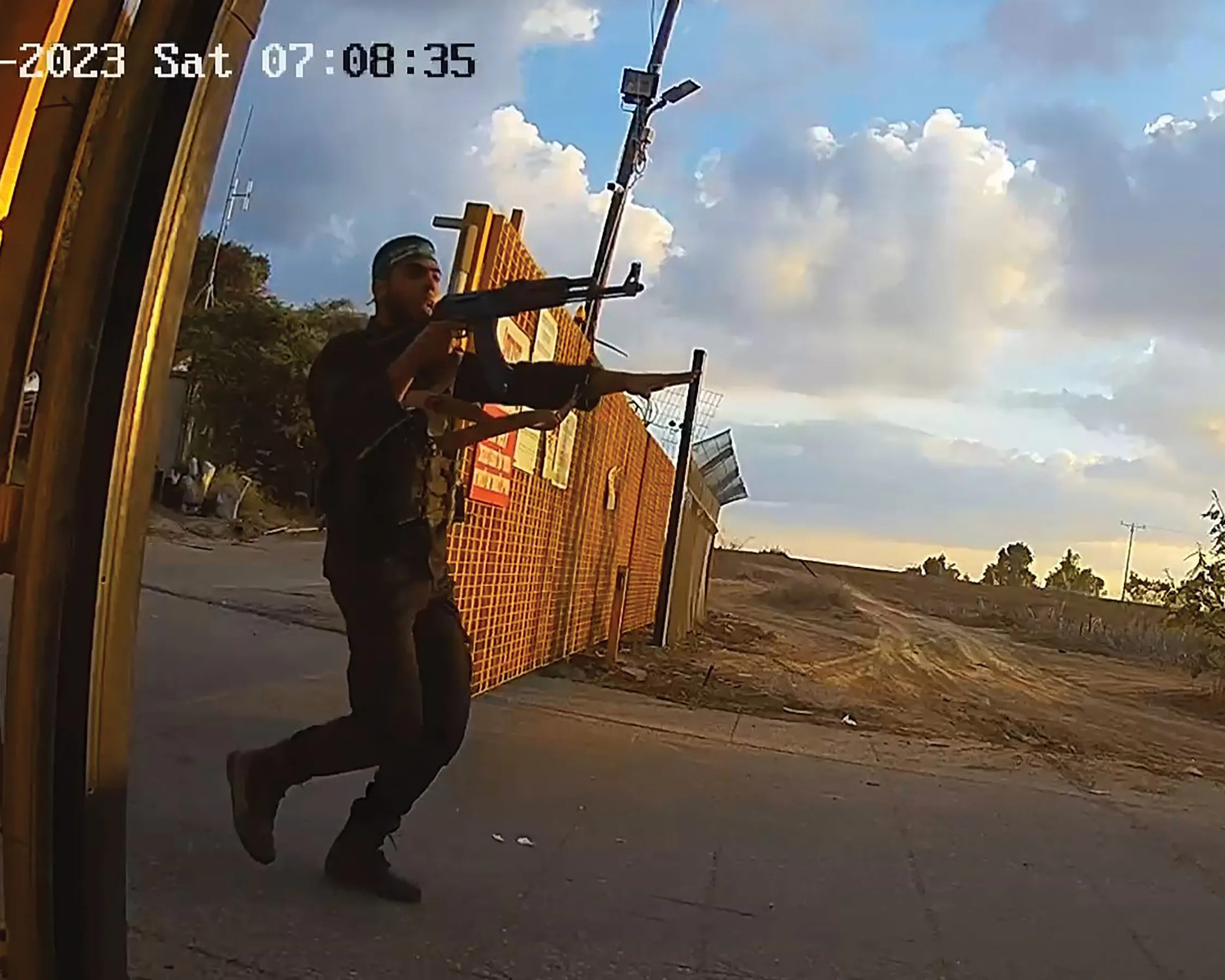
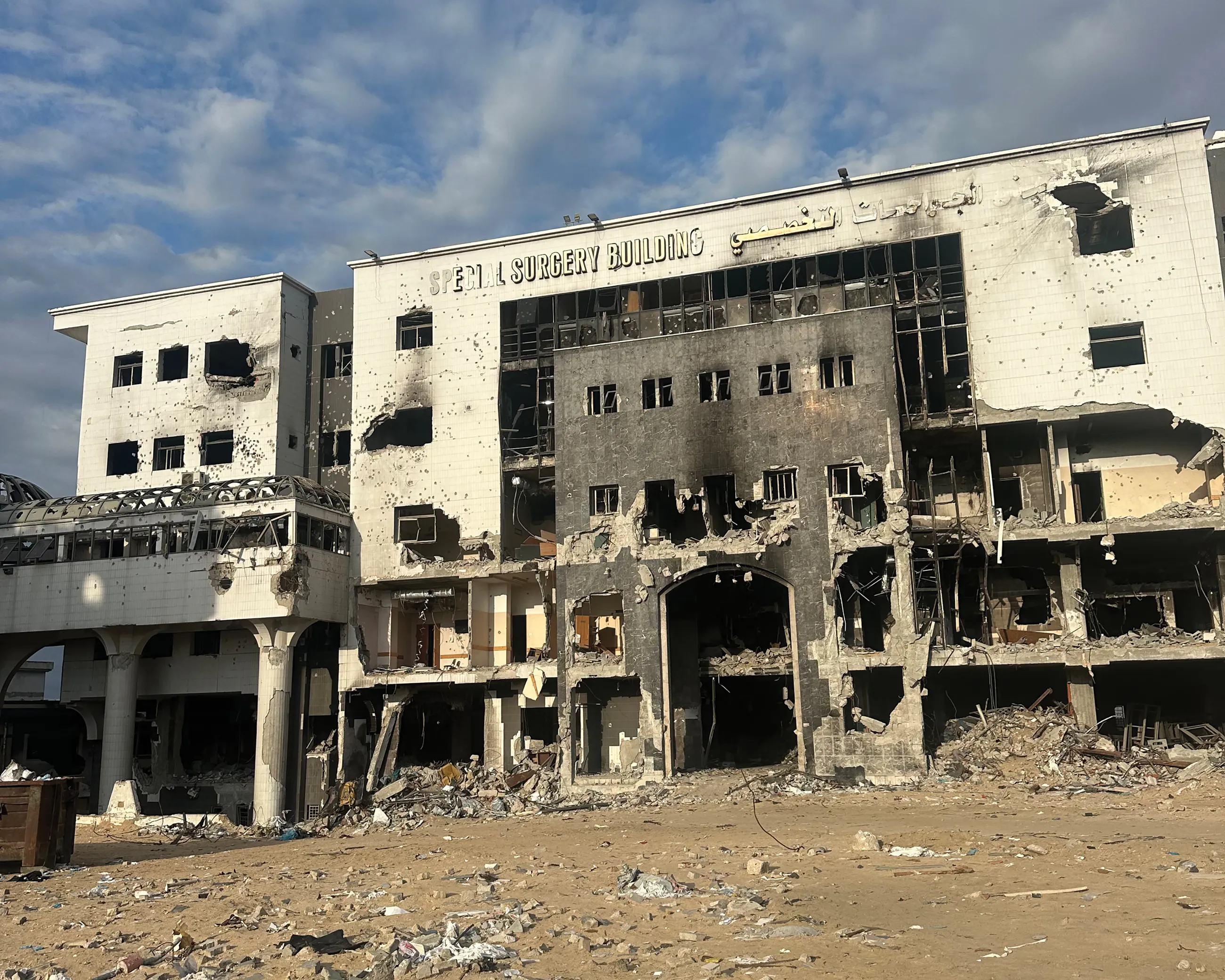
Modern warfare is no longer fought only on the battlefield; it is fought in headlines and social media feeds. Gaza presents one of the most complex combat environments in the world: densely populated, with terrorist infrastructure embedded within civilian areas. Hamas has long operated from within homes, schools, hospitals and mosques, while maintaining an extensive tunnel network beneath the population. This reality creates an unavoidable tragedy: when military targets exist within civilian spaces, civilian casualties are difficult to avoid. But images travel faster than context. Photos of destroyed buildings, injured civilians and grieving families spread globally within minutes, often without verification. By the time additional facts emerge, public opinion has already been shaped. Early in the war, an explosion at a Gaza hospital was widely blamed on Israel, sparking global outrage—before later evidence suggested the blast was likely caused by a misfired Palestinian rocket. By then, the narrative had already taken hold.
The “Proportionality” Debate
Much of the criticism against Israel has centered on the idea that its response in Gaza has been “disproportionate,” often based on casualty comparisons. But this framing is deeply misleading. In international law, proportionality does not refer to equal numbers of casualties. It refers to whether military actions are justified relative to their objective. Civilian harm, while tragic, is evaluated in the context of military necessity, not numerical symmetry. No modern war has even been judged by matching casualty counts—yet Israel is frequently held to this standard. This raises an uncomfortable question: Why is Israel uniquely measured this way? Professor David Bercuson of the Aristotle Foundation said that it is “simply a more genteel form of Jew hate masquerading under an ‘ethical’ concept that does not exist in the brutal reality we call war.”
Genocide—or War?
Some critics have gone further, accusing Israel of genocide. Genocide, by definition, is the deliberate and systematic destruction of a people group. That requires intent. The available evidence does not support that claim.
The Israel Defense Forces (IDF) has repeatedly demonstrated efforts to minimize civilian harm, including issuing evacuation warnings through phone calls, text messages, leaflets and social media, and at times aborting strikes when civilians are present. This does not mean the war has been free of tragedy or error. Civilian deaths in Gaza are real and devastating. But the presence of civilian casualties alone does not constitute genocide. Genocide is what Hamas was trying to do on October 7, when terrorists entered Israel and indiscriminately killed men, women and children.
The Overlooked Reality: Aid to an Enemy
One of the least discussed aspects of the Gaza war was Israel’s role in facilitating humanitarian aid: not to its own citizens, but to a territory governed by the very group it was fighting. Amid the fighting, Israel enabled the flow of food, water, medical supplies and shelter materials into Gaza, working in coordination with international partners. It has also facilitated the evacuation of thousands of patients, including children, for treatment abroad.
Inside Gaza, aid-supported kitchens, bakeries and medical facilities have provided essential services, while Israeli infrastructure has helped sustained water supply and other basic needs. At the same time, aid delivery has been complicated by documented cases of Hamas diverting supplies for its own use. This has forced Israel to balance enabling aid with preventing resources from strengthening its enemy. Few nations have faced such a dual expectation: to fight an embedded enemy while helping sustain the civilian population under its control. But this reality is often absent from global narratives.
A Double Standard?
Since its founding in 1948, Israel has lived under constant threat, yet it is often portrayed as the aggressor rather than a nation responding to ongoing hostility. The speed and intensity of global condemnation suggest that more than military actions are at play. Political bias, media framing and longstanding narratives all shape how this conflict is perceived.
The Information War
Alongside the physical battle, another war has been fought: a war of information. In today’s social media landscape, emotionally charged content often outweighs verified truth. Israel faces a disadvantage in this arena, as simplified narratives and powerful imagery shape global opinion and paint Israel as the aggressor, regardless of context. The label “pariah state” suggests isolation and illegitimacy. But Israel continues to maintain diplomatic relations, economic partnerships and strategic global alliances. The reality is far more complex than the label implies. What we are witnessing is not simply a legal judgment, but a battle of narratives shaped by perception and bias.
Standing for Truth
In a world flooded with information, clarity is often the first casualty. Understanding this conflict requires resisting simple narratives, examining sources carefully and acknowledging complexity. Truth is not always the loudest voice, but it remains the most important one. In today’s information-driven world, individuals can play a powerful role in shaping public understanding. Supporting Israel begins with a commitment to truth: verifying information, questioning viral claims and sharing accurate, well-sourced content. It also means engaging in thoughtful conversations that bring clarity and nuance to often oversimplified discussions, and standing against antisemitism when it appears. Practical support matters as well, whether through advocacy, or by supporting organizations like Bridges for Peace that provide tangible aid.
Supporting Israel does not mean ignoring suffering in Gaza or elsewhere. It means recognizing the complexity of a war against a terrorist organization embedded within a civilian population and responding with conviction and clarity.
Related Resources



Discover Your Purpose and God’s Heart For You
In today's divided, turbulent world, it's essential for the Church to rediscover God's heart. Our free e-book, authored by a seasoned expert with three decades of experience in Israel, delves deep into the teachings of Jesus (Yeshua) to reveal God’s principles of love and purpose. Learn how embracing these truths can bring significance and impact to your life, even amidst chaos. Subscribe now to receive your free copy and embark on a journey of transformation.