Zooming in on Qatar
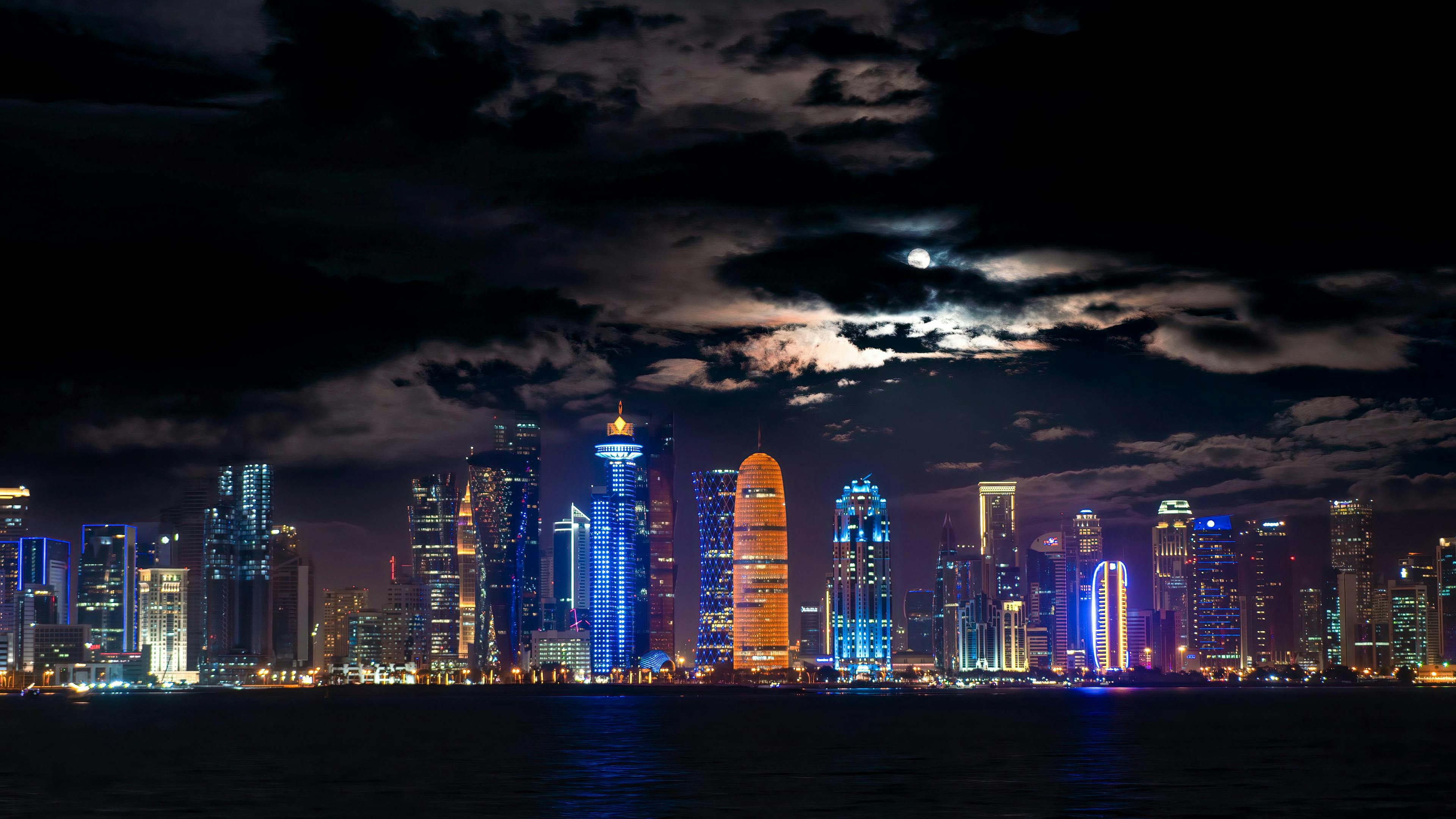
Smaller than the state of Connecticut and home to fewer than 350,000 citizens, the State of Qatar should, by any traditional metric of geopolitics, be a marginal player. Instead, Doha has engineered a reality where it is the indispensable middleman of the Middle East. As a nation that simultaneously houses the largest US military base in the region and also the billionaire leadership of Hamas, Qatar is a master practitioner of strategic duplicity. To view Qatar as a mere neutral mediator is to fall victim to one of the most sophisticated soft power operations in modern history.
Hidden Hand of Influence
Qatar’s ascent is no accident of geography, it is a calculated transformation of vulnerability into agency. Caught between the regional titans of Saudi Arabia and Iran, Doha adopted a strategy of “hedging its bets” across every possible axis.
By the late 1990s, the development of the North Field, the world’s largest standalone gas field, provided the cash necessary to purchase a seat at the global table. Qatar leverages its massive liquified natural gas wealth to fund both the fire and the firemen—helping spark the problem and then positioning itself as the solution—while quietly weaving itself into the very fabric of Western institutions. This wealth has been used to build a shield of smart power. Qatar does not seek to win wars with traditional battalions; it wins by making itself too interconnected to fail.
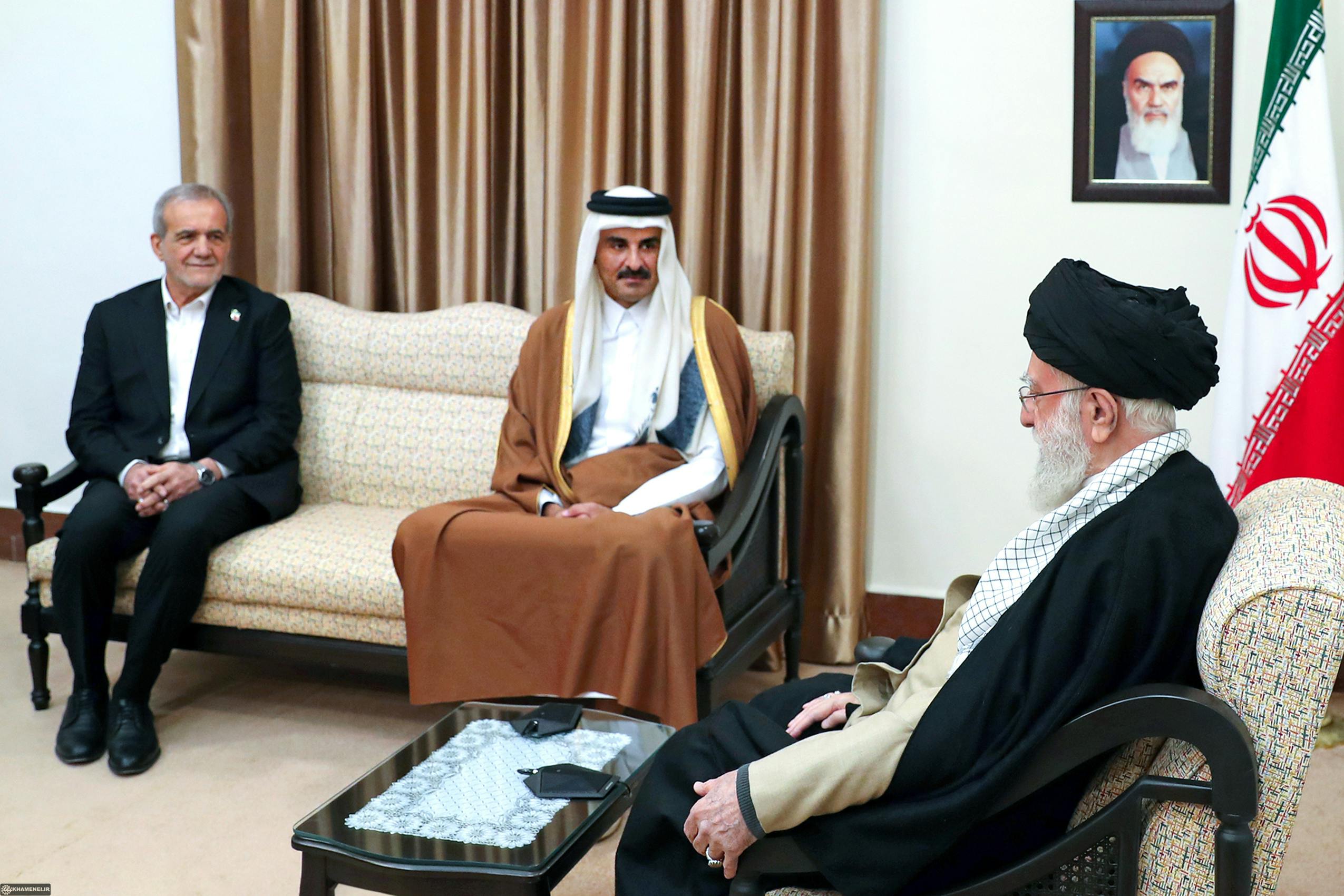
Perhaps most disturbing is Qatari influence into the heart of the West. Qatar is currently the largest foreign donor to US higher education, with over US $6.6 billion in disclosed funding. As of early 2026, US Department of Education data reveals that Qatar’s contributions far outpace other nations. Institutions like Cornell (US $2.3B), Carnegie Mellon (US $1B) and Georgetown (US $971M) have become primary beneficiaries. This is not philanthropy, it is the purchase of academic culture. Investigations suggest these funds have significantly impacted campus politics, fomenting a rise in anti-Israel discourse and the normalization of Islamist ideologies.
The influence extends to the very soil of Western capitals. In London, the Al Thani Qatari royal family has built a real estate empire estimated at over £40 billion, surpassing even King Charles III as the city’s largest private landowner. They own 95% of the Shard (the tallest building in the UK and Europe), 100% of world-renowned, iconic luxury department store Harrods and a 20% stake in Heathrow Airport. The multi‑billion-dollar Qatar Investment Authority has huge stakes in Western icons like Barclays, Volkswagen and Credit Suisse, thus Qatar has ensured that its survival is a prerequisite for global market stability. By controlling the infrastructure and the ivory towers of the West, Qatar has made its influence nearly impossible to excise.
Playing Both Sides
The most glaring example of Qatar’s double-game is its relationship with Hamas. Since 2012, Doha has provided a luxurious sanctuary for the Hamas politburo, allowing figures like Ismail Haniyeh to direct operations from five-star suites while their foot soldiers entrenched themselves in the tunnels of Gaza.
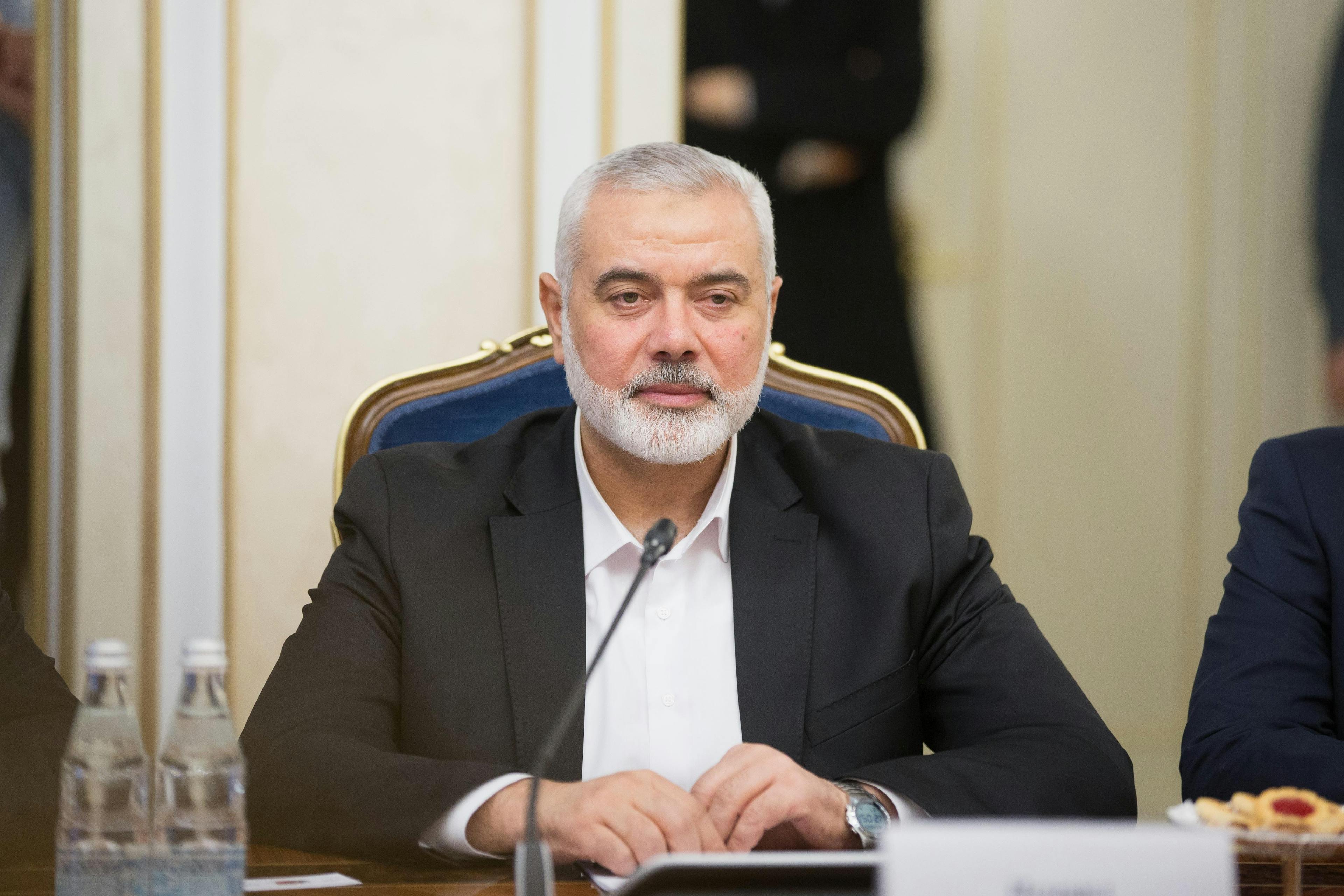
While Qatar frames this as a communication channel, the reality is more cynical. Between 2018 and 2023, Qatar funneled over US $1.8 billion into the Gaza Strip. While these payments were ostensibly for humanitarian aid, they effectively subsidized the Hamas war machine. In the wake of the October 7 massacre, Doha has used the very hostages they helped keep in captivity as a bargaining chip to maintain their status as essential mediators, escaping accountability for the ideology they bankrolled.
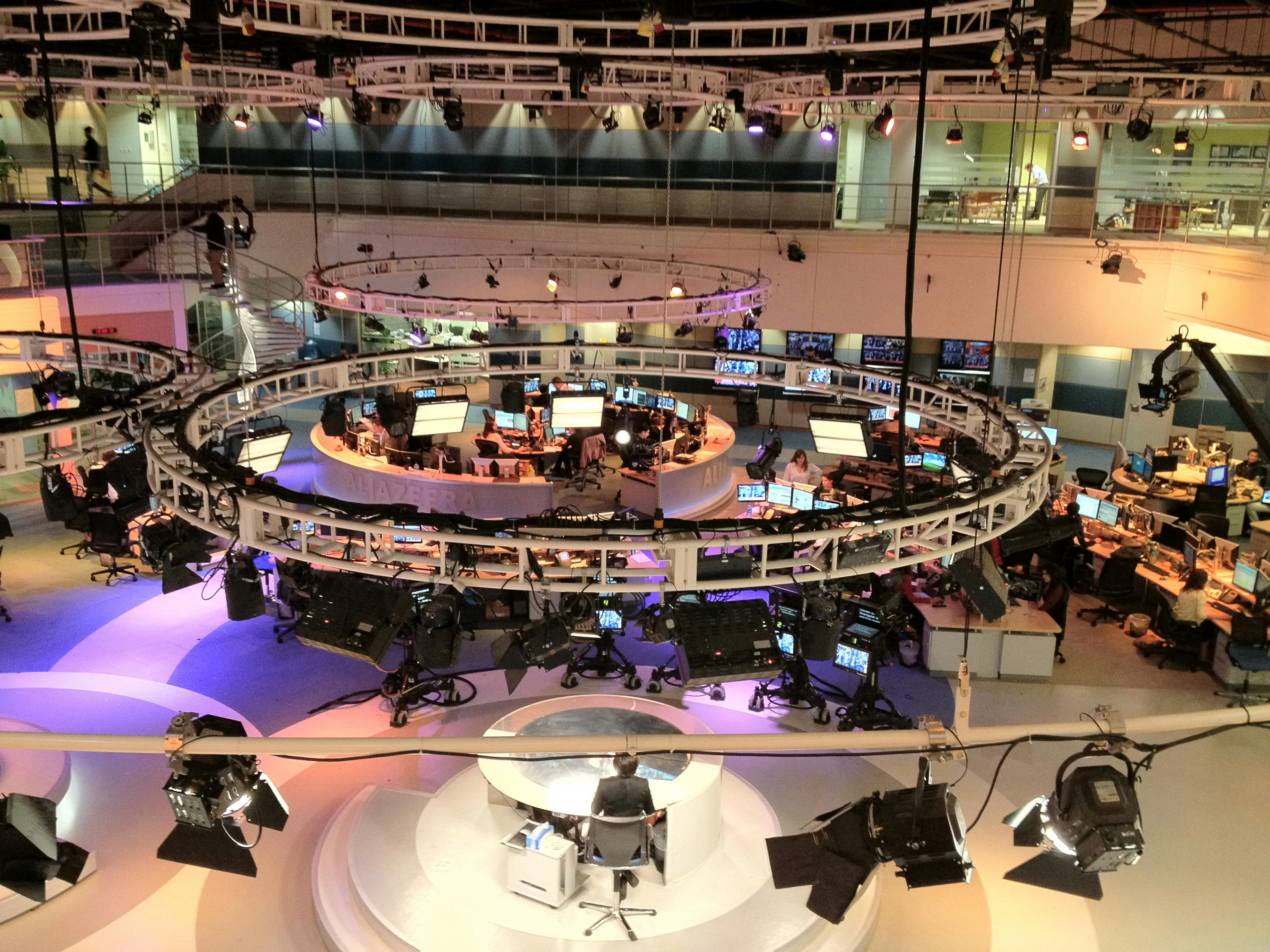
If liquified gas is Qatar’s fuel, Al Jazeera is its megaphone. Launched in 1996, the network serves as a state-funded instrument of information warfare. To Western audiences, its English-language arm presents a polished veneer, championing social justice and liberal values that are strictly illegal within Qatar’s own borders. However, its Arabic flagship tells a different story. For decades, Al Jazeera Arabic has been the primary platform for extremist clerics and anti-Israel incitement, framing every defensive action by the IDF as a genocidal war while glorifying the resistance of Islamic militants. By controlling the narrative of the Arab Main Street, Qatar exerts pressure on its neighbors and delegitimizes the modern State of Israel.
Qatar, Israel and the Long Game
The historical relationship between Jerusalem and Doha is a cautionary tale of a “splintered reed” (Isa. 36:6 NIV). Qatar was the first Gulf state to allow an Israeli trade office in 1996, yet it was also the first to back Hamas after its 2007 coup. This strategic ambiguity allows Qatar to maintain working-level ties with Israel while simultaneously fueling the movements that seek its destruction. For the State of Israel, Qatar represents a unique strategic threat, not because of its military, but because of its ability to manipulate the international environment. It is a nation that thrives on the volatility it helps create, positioning itself as the only one who can solve the crises it helped fund. Qatar has mastered the art of being everyone’s indispensable friend and no one’s true ally.
For Israel and the West, the path forward requires an unflinching look behind the curtain of Qatari diplomacy and the sobering realization that they aren’t considered partners but collateral.
Related Resources



Discover Your Purpose and God’s Heart For You
In today's divided, turbulent world, it's essential for the Church to rediscover God's heart. Our free e-book, authored by a seasoned expert with three decades of experience in Israel, delves deep into the teachings of Jesus (Yeshua) to reveal God’s principles of love and purpose. Learn how embracing these truths can bring significance and impact to your life, even amidst chaos. Subscribe now to receive your free copy and embark on a journey of transformation.