Coming Home: Against All Odds
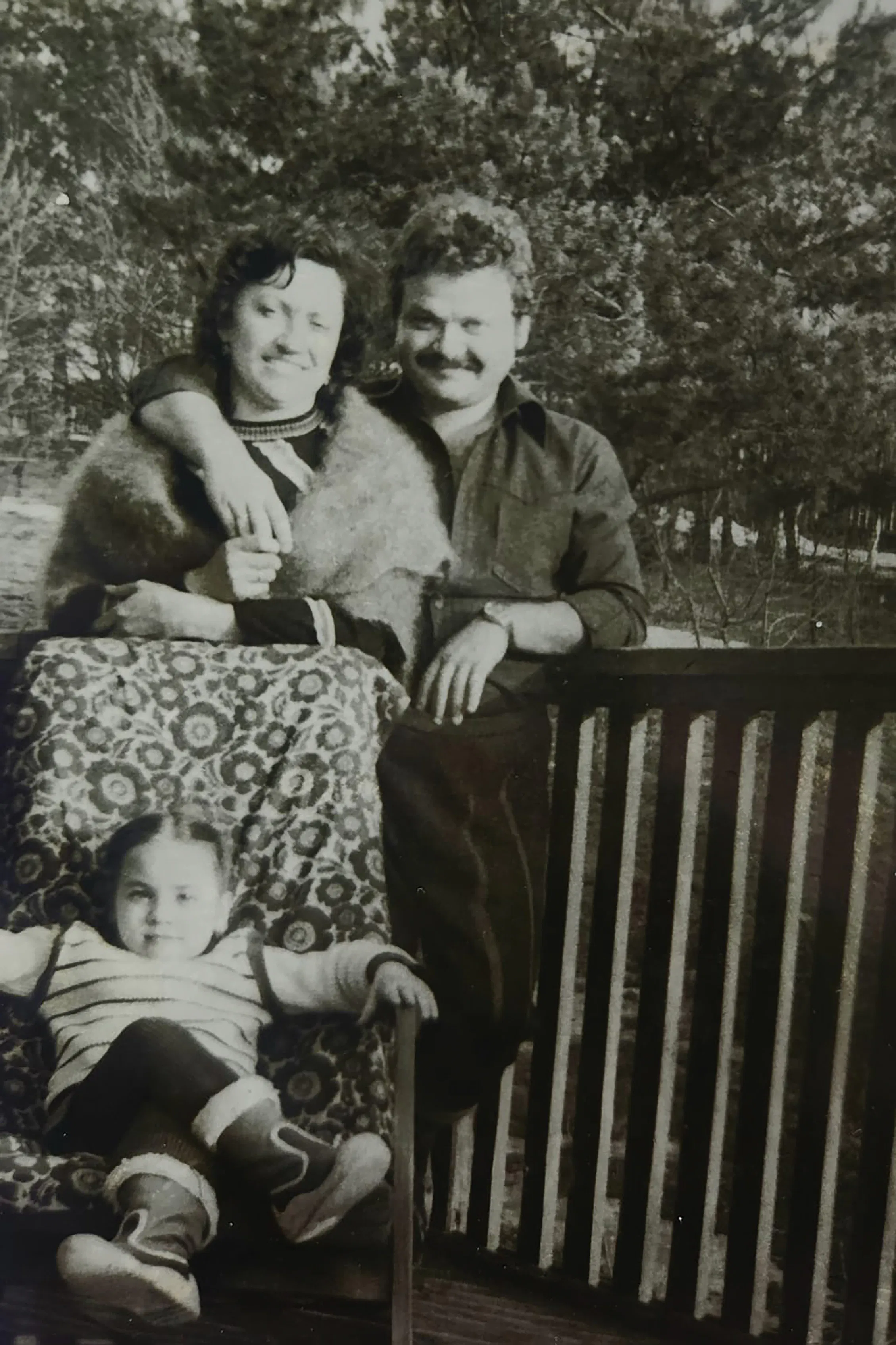
Remembering the moment in 1989 when the El Al plane lifted off from the Moscow airport still brings tears to Miriam’s eyes. She was seven years old at the time and the memories of the family’s struggle to leave the Soviet Union are as fresh today as if they happened yesterday.
Her parents, Peter and Ilana, had begun preparing for this day before she was born. Their aliyah journey took years and at times reads like a spy novel. Let’s step back to 1973, when Peter’s uncle boarded the train which would eventually take him to Israel.
Family Begins to Leave
In 1971, the Soviet Union began granting exit visas to small numbers of Jews, and Peter’s extended family started leaving the port city of Odessa where they had lived for generations. His uncle was one of them. The train to Israel ran into trouble on the Czech border when it was hijacked by Palestinians who took hostages, but eventually, Peter’s uncle arrived in the Promised Land. Following her son’s narrow escape, Peter’s mother decided it was too dangerous to go to Israel, and in 1984 she went to the United States. A third family member who was a doctor, became a refusenik* when her visa request was denied. She then began a letter writing campaign to people in the West and was jailed for seven years as a result.
Preparing in Secret
Peter and Ilana waited until 1986 before beginning their quest to immigrate. The first question they had to answer was where to go. They had family members in two countries. Peter was drawn to the United States but Ilana was adamant: they would go to Israel.
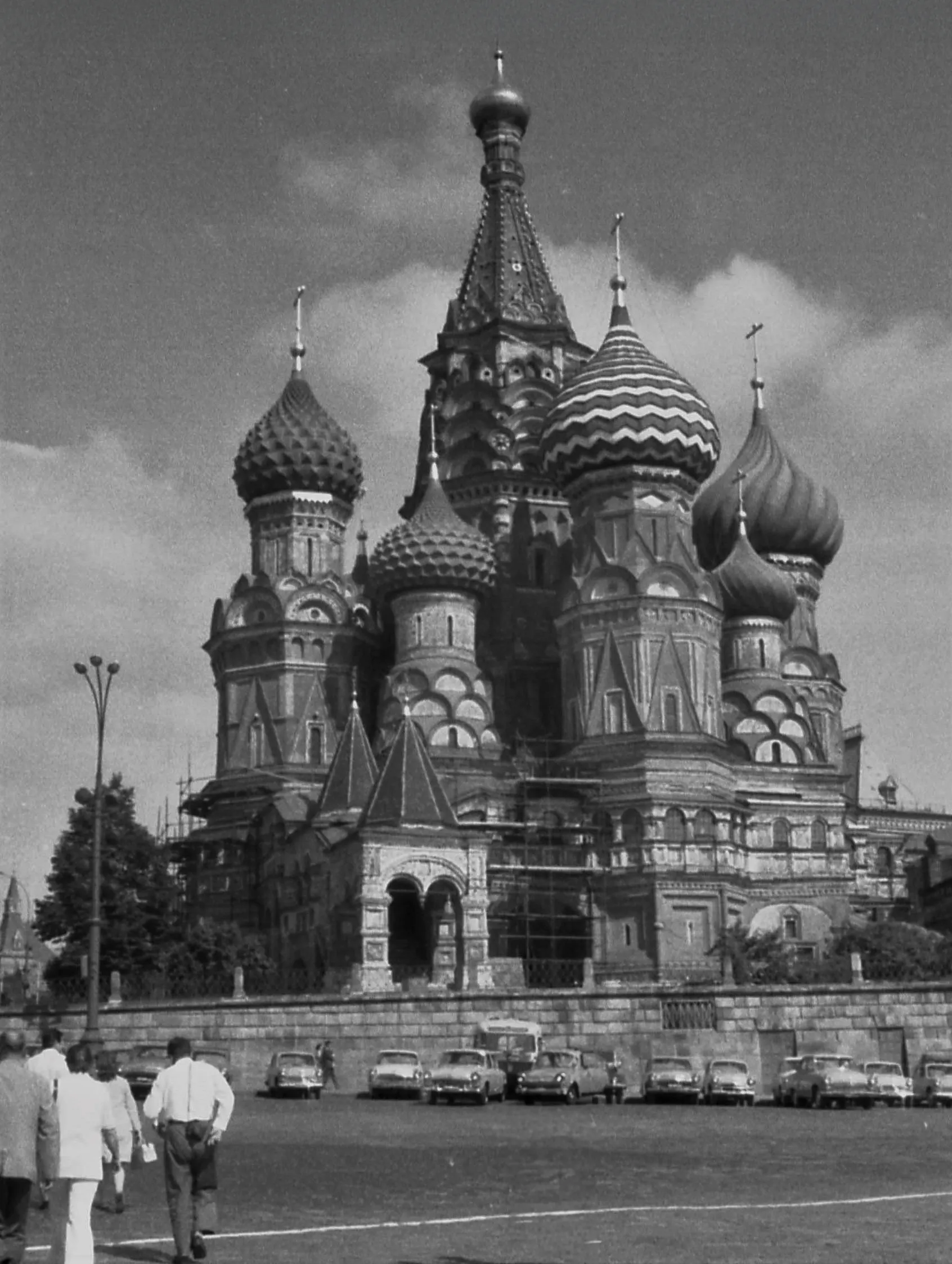
At that time, agents from Israel came to the Soviet Union in order to help those who wanted to make aliyah, but it was a very secretive process. The meetings were not advertised and information passed by word of mouth. Miriam’s parents had to be very careful because of the jailed refusenik in their family. Any evidence that Peter and his wife were considering leaving the country would raise the authorities’ suspicion.
Both husband and wife held engineering degrees and were in important positions. Ilana was the head building inspector for the region of Odessa and Peter was a chief engineer on a ship in the Soviet navy. This allowed him the privilege of traveling outside the country, which helped the family to prepare.
Although the Soviet government was beginning to allow its Jewish citizens to leave at that point, those who left were only allowed to take goods which had been made in the Soviet Union, nothing imported and just US $500. So, the family began to convert their valuables to gold and diamonds, which Peter smuggled out of the country when he sailed abroad. Important documents, such as diplomas and certificates of achievement, also needed to be sent secretly.
Peter prepared packages to mail to his uncle in Israel when he had the opportunity. It was extremely risky, as there was always a KGB agent on board and officers were required to go in pairs when they went ashore. Upon their return, a detailed report of their activities had to be filed. Once while the ship was docked in Tukey, Peter managed to escape his companion by taking him to a bar and buying him drinks. When the fellow officer was sufficiently drunk, Peter dashed outside and hailed a taxi. He took another risk by telling the taxi driver he was Jewish and needed to be taken to the nearest post office. He asked the driver to wait and to take him back to the bar. His friend was none the wiser and the package arrived in Israel.
As their planned departure grew closer, Peter filed a visa request for the family. They had three daughters, the youngest not even a year old. Miriam remembers that she and her older sister were taken out of school and sent to stay with their maternal grandmother during the last few months before they left. With their high-level positions and a refusenik relative, her parents had a lot of stress and worry in case there would be any last-minute decisions by the government to deny their exit visas.
The “Betrayers”
The Soviet government branded those who wanted to leave “betrayers.” When Peter applied for an exit visa for himself and his family, their citizenship was immediately revoked, leaving them stateless.
A few days before their flight to Israel, the family took a train from Odessa to Moscow, where they stayed in a hotel, waiting for the flight to Israel. They were scheduled to fly on a special El Al flight along with Jews from many other parts of the country. On the appointed day, the family went to the airport.
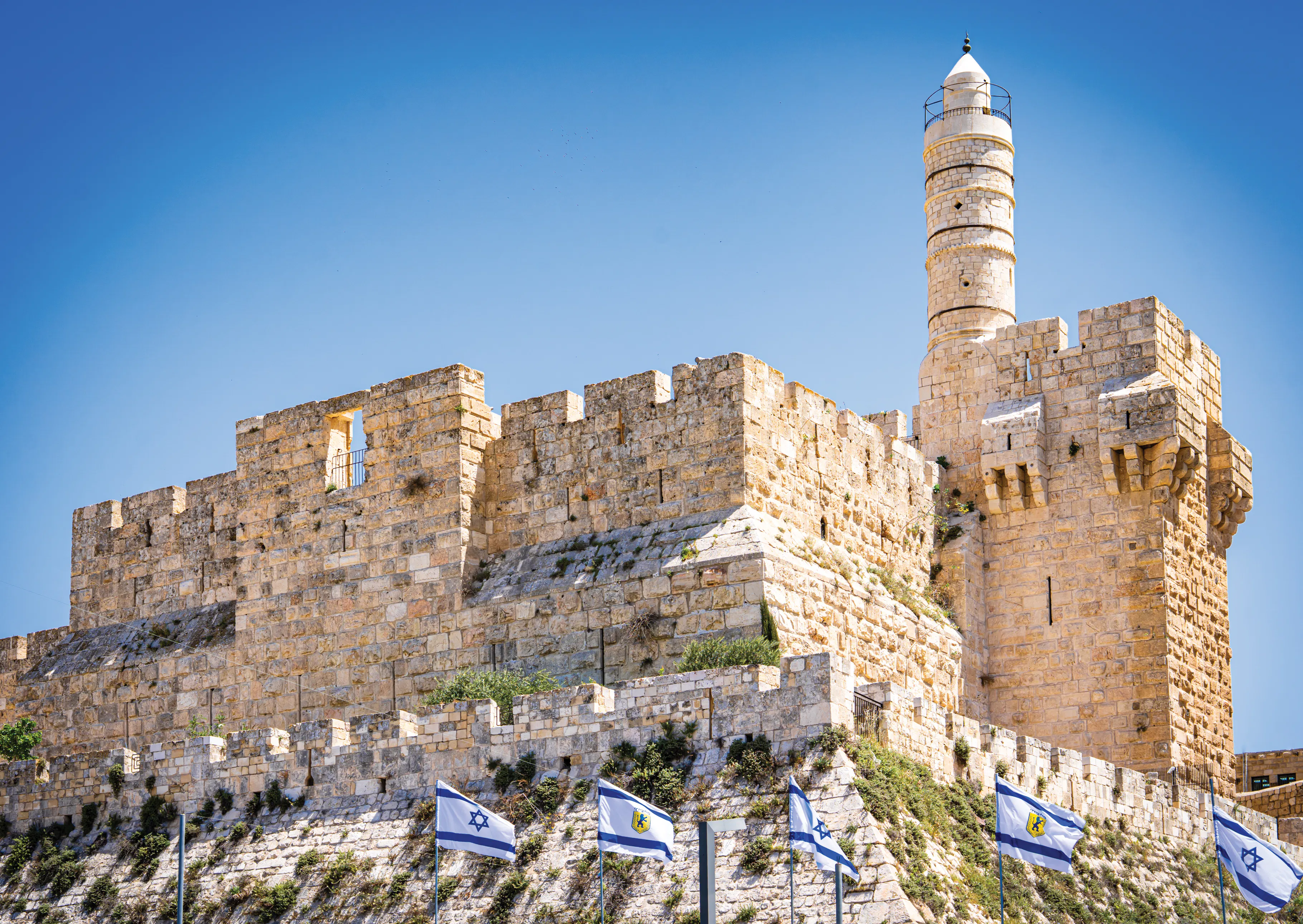
The group spent hours in a waiting room without chairs, forcing everyone to stand or sit on the floor. As guards inspected their luggage, the bag of Jaffa oranges Ilana had bought for the children was thrown on the floor because they were imported and therefore could not be taken out of the country. Ilana angrily confronted the guard while Peter looked on in worry that the argument would lead to punishment of some kind.
Because of his previous position in the navy, Peter was interrogated in the waiting room. At this point, the family learned his name was not on the list of those cleared to board the plane. He and Ilana decided that she would leave with the children, no matter what happened. As they lined up to board, Peter stood behind his wife and daughters and was miraculously allowed on the plane!
The family was among the last to board and were given seats in first class. Israeli stewardesses welcomed them warmly and provided a crib for the baby who Ilana had been holding throughout the day. As the plane lifted off, Peter and Ilana looked at each other with tears in their eyes. Against all odds, they were going home to Israel.
* A term used during the 1970s and 80s to describe Russians who were denied exit visas and often sent to prison.
Related Resources



Discover Your Purpose and God’s Heart For You
In today's divided, turbulent world, it's essential for the Church to rediscover God's heart. Our free e-book, authored by a seasoned expert with three decades of experience in Israel, delves deep into the teachings of Jesus (Yeshua) to reveal God’s principles of love and purpose. Learn how embracing these truths can bring significance and impact to your life, even amidst chaos. Subscribe now to receive your free copy and embark on a journey of transformation.