From Caracas to Tehran: How Maduro's Fall Weakens Hezbollah's Lifeline
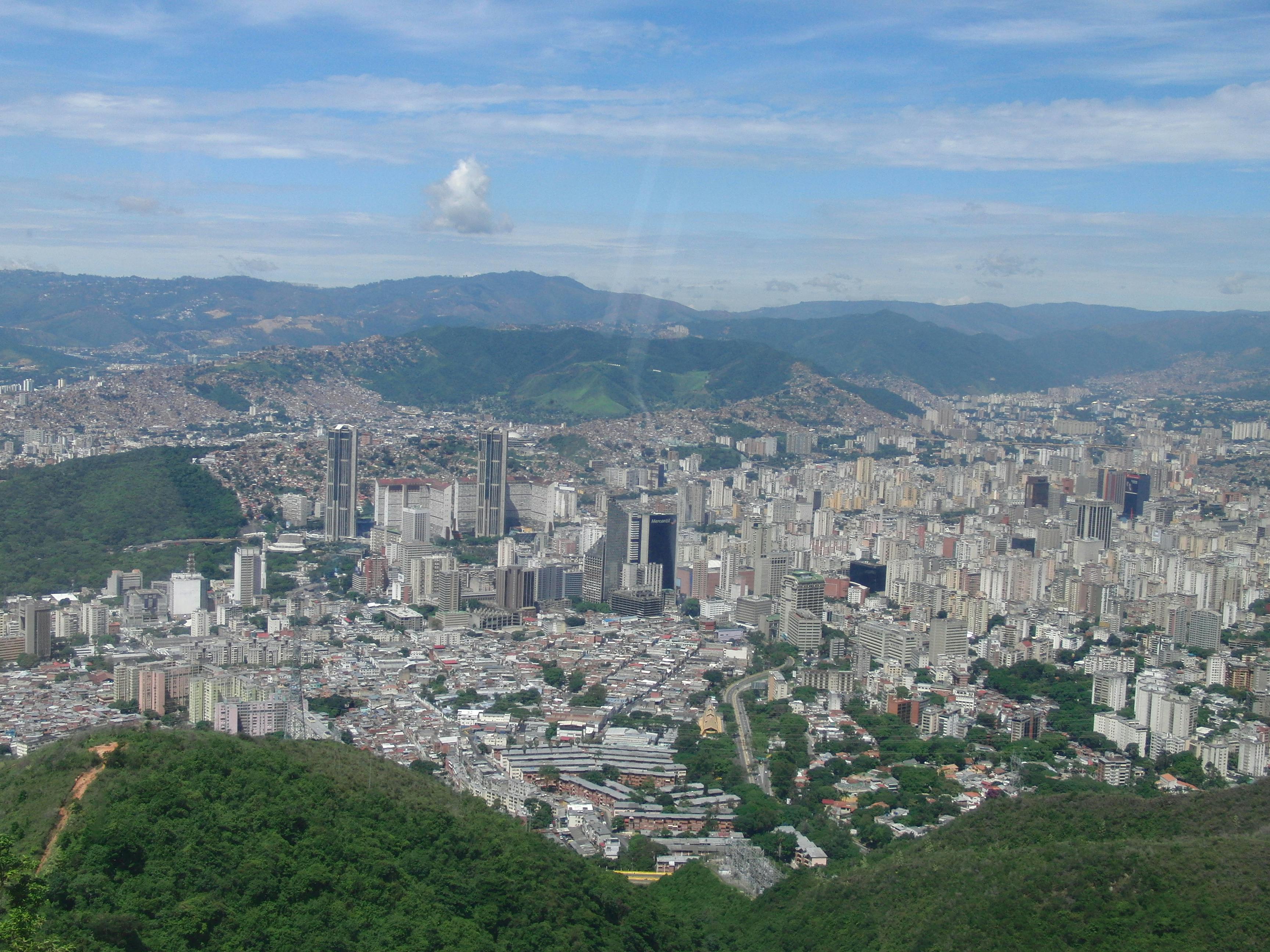
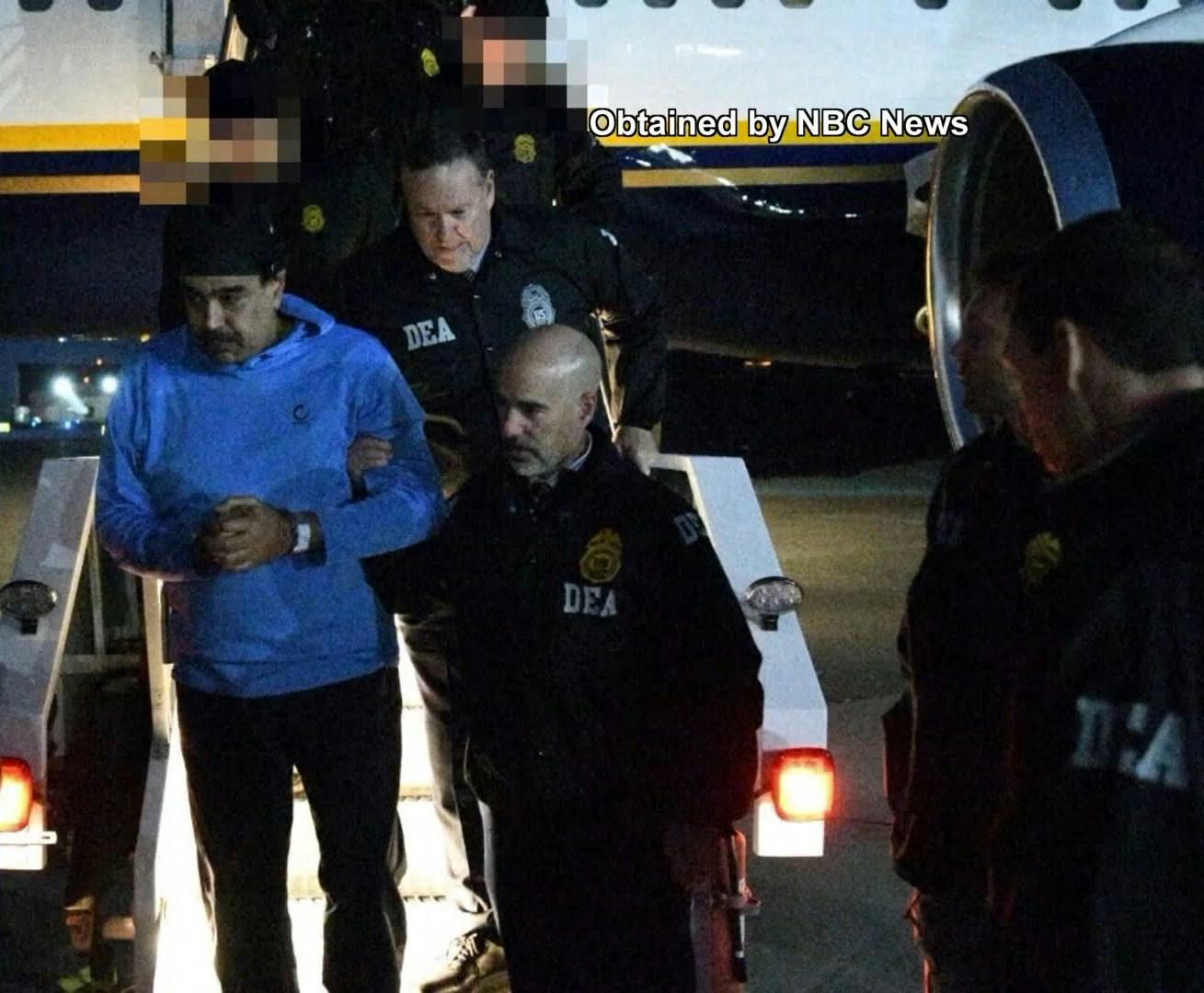
On January 3, 2026, US special forces executed a flawless pre-dawn incursion on Venezuelan President Nicolás Maduro’ residence in Caracas during Operation Absolute Resolve to arrest the leader with increasingly authoritarian tendencies. Delta Force operators, backed by targeted air strikes that swiftly neutralized Venezuelan air defenses, seized Maduro and his wife Cilia Flores. From there, they were extracted to the USS Iwo Jima and flown directly to New York. The entire operation was accomplished without a single US fatality.
The raid was so succinct, efficient and precise that it could easily be mistaken for an Israeli operation. And make no mistake, the end result is unequivocally to Israel’s benefit. But what exactly is the connection?
Hezbollah's Lifeline: The Iran–Venezuela Connection
US authorities have long accused high-ranking Venezuelan officials, including military leaders linked to the so-called “Cartel de los Soles,” of helping ship massive amounts of cocaine to the US while protecting traffickers. A 2020 indictment said these networks worked with Colombian guerrilla groups like the FARC (Fuerzas Armadas Revolucionarias de Colombia), using Venezuelan territory as a transit hub. A later indictment following Maduro’s capture softened the language, calling it a broader “patronage system” rather than a formal cartel, but the core allegations of state-sponsored narcotrafficking remain central to the case.
On January 5, Maduro pleaded not guilty to charges including narcoterrorism conspiracy, cocaine importation conspiracy and weapons offenses.
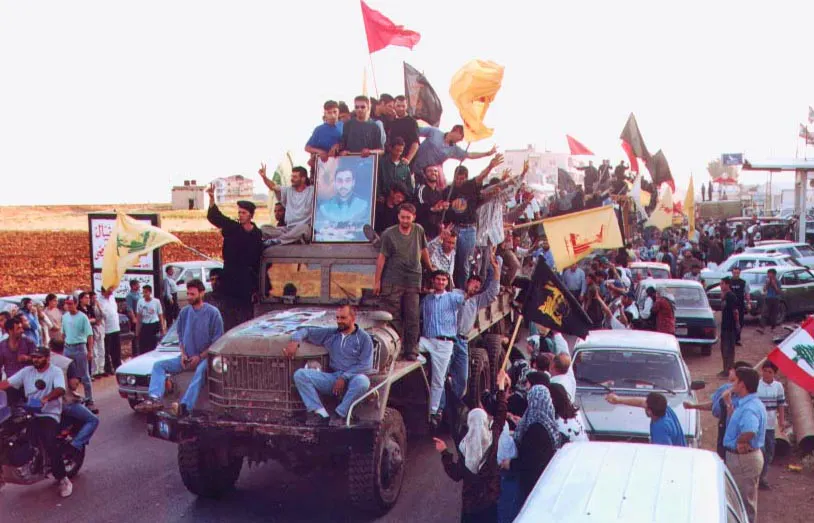
US and Israeli security officials have long since raised concerns that this criminal ecosystem extended a safe haven to Lebanese terror group and Iranian proxy Hezbollah through money laundering networks and other activities that helped the group raise funds and move resources. Over the years, US Drug Enforcement Administration intelligence and Treasury designations have pointed to Hezbollah’s presence in Venezuela, where the group obtained fraudulent passports, laundered money through local businesses and benefited from protection under the Maduro government. These ties, dating back to the Hugo Chávez era, have helped Hezbollah generate funds through illicit activities, including drug trafficking, to support its operations in the Middle East, including attacks on Israeli targets and broader proxy activities backed by Iran.
US reports and congressional testimony have described the Venezuela–Hezbollah connection as part of a wider “Iran–Venezuela–Hezbollah axis,” with Caracas serving as a logistical and financial hub for the terror group in the Western hemisphere. Now, Maduro’s arrest has severely disrupted that pipeline by removing a key state sponsor that turned a blind eye—and actively facilitated—Hezbollah’s access to the region.

Israeli Response: A Blow to the Axis of Terror
Israeli officials have lauded Maduro’s capture, portraying it as a direct hit on Iran’s global network of influence and terror financing. Diaspora Affairs Minister Amichai Chikli posted on X shortly after the operation: “Maduro did not run a country; he ran a criminal and drug empire that directly fueled Hezbollah and Iran.” Chikli further described the capture as “a devastating blow to the global axis of evil and a clear message to [Iran’s Supreme Leader] Ali Khamenei.”
Shosh Bedrosian, Israeli government spokesperson in Prime Minister Netanyahu’s office, echoed a similar statement. She noted that Netanyahu was pleased with the operation and quoted the foreign ministry’s longstanding position: “Venezuela has destabilized the region there, serving as a base for Hezbollah terror operatives and hosting Iranian weapons production facilities.”
Prime Minister Netanyahu himself saluted the US action on X, praising President Donald Trump’s “decisive resolve” and the “brilliant action of your brave soldiers.” Foreign Minister Gideon Sa’ar added that Israel welcomes the removal of a leader who “led a network of drugs and terror,” expressing hope for restored ties with a democratic Venezuela. Opposition Leader Yair Lapid went further, warning that “the regime in Iran should pay close attention to what is happening in Venezuela,” especially as domestic unrest grows in Tehran.
Maduro’s fall does indeed come amid a series of setbacks for Tehran and at a time of intense tumult in Iran. Israel’s military actions have weakened Iranian proxy Hamas in Gaza, gutted Hezbollah leadership in Lebanon and reduced Houthi capabilities in Yemen, while the Assad regime collapsed in Syria.
Venezuela, though not a direct Iranian proxy, functioned as a vital offshore hub for the regime, facilitating money laundering, drug proceeds funneled to Hezbollah and weapons-related activities. Reports from Israeli media and security analysts highlight how Hezbollah worked hand in fist with Venezuelan criminal enterprises, using the country’s permissive environment to sustain operations that indirectly supported attacks on Israel.
It is therefore not surprising that Israeli enthusiasm forms part of a broader hope that severing Maduro’s role in the Iran–Hezbollah funding chain will tighten the financial noose on groups threatening Israel and complement military pressure in the region. US Secretary of State Marco Rubio reaffirmed this link, stating that the Venezuela mission aims to eliminate the “Iran–Hezbollah presence” thousands of miles from their actual homebase.
A New Era in Counterterrorism
The predawn operation in Venezuela springs from aggressive US efforts under the current administration to dismantle narcoterrorism networks, as witnessed in the recent designations of groups like Tren de Aragua (an organized crime syndicate from Venezuela) as terrorist organizations. It also bolsters security cooperation with Israel, which has faced the onslaught of Iran-backed proxies for years.
As Maduro awaits trial in New York, the power vacuum in Caracas has left Venezuela in uncertain territory, with the US asserting temporary oversight during a transition period.
International reactions remain sharply divided. China and Cuba have condemned the action as a violation of sovereignty, while others watch to see how far and wide the disruption weakens transnational criminal and terrorist linkages that have long evaded international authorities. For now, the capture stands as one of the boldest US moves against a sitting foreign leader in decades, with its full strategic consequences—especially for Israel’s security plans—still unfolding.
Related Resources



Discover Your Purpose and God’s Heart For You
In today's divided, turbulent world, it's essential for the Church to rediscover God's heart. Our free e-book, authored by a seasoned expert with three decades of experience in Israel, delves deep into the teachings of Jesus (Yeshua) to reveal God’s principles of love and purpose. Learn how embracing these truths can bring significance and impact to your life, even amidst chaos. Subscribe now to receive your free copy and embark on a journey of transformation.