Ours to Carry
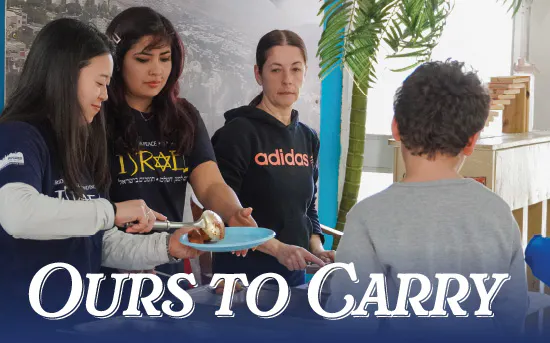
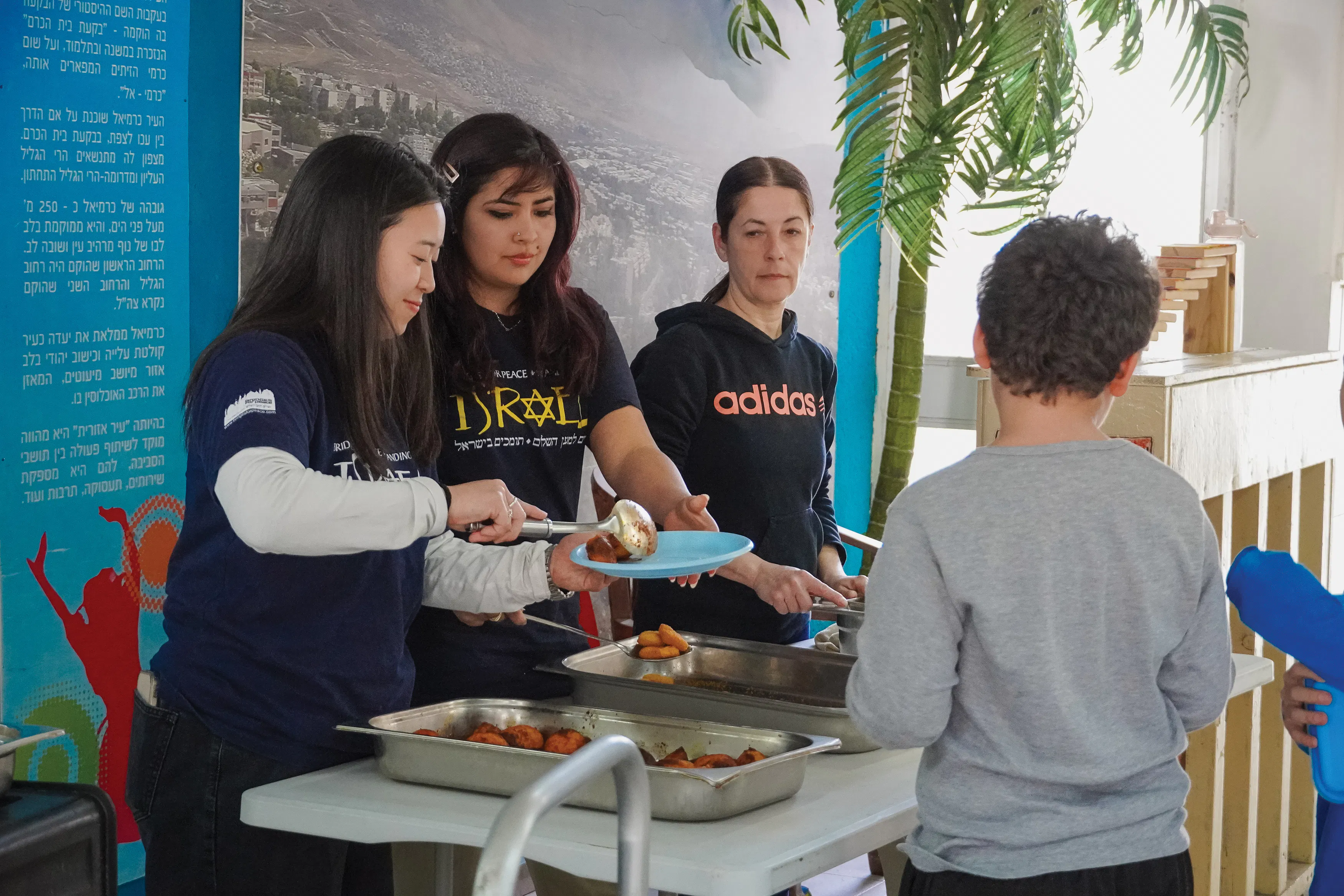
We were finishing a routine food delivery at a boys’ elementary school when the Feed a Child coordinator stopped us at the door. Could we spare an extra birthday bag, she asked, for a boy in the second grade?
She told us his story in a few short sentences. His father had been killed in an Iranian missile attack on Beit Shemesh earlier this year. It happened to be the boy’s birthday week, and she wanted him to have a special blessing. I will call him Noah, because his own name is his to keep private.*
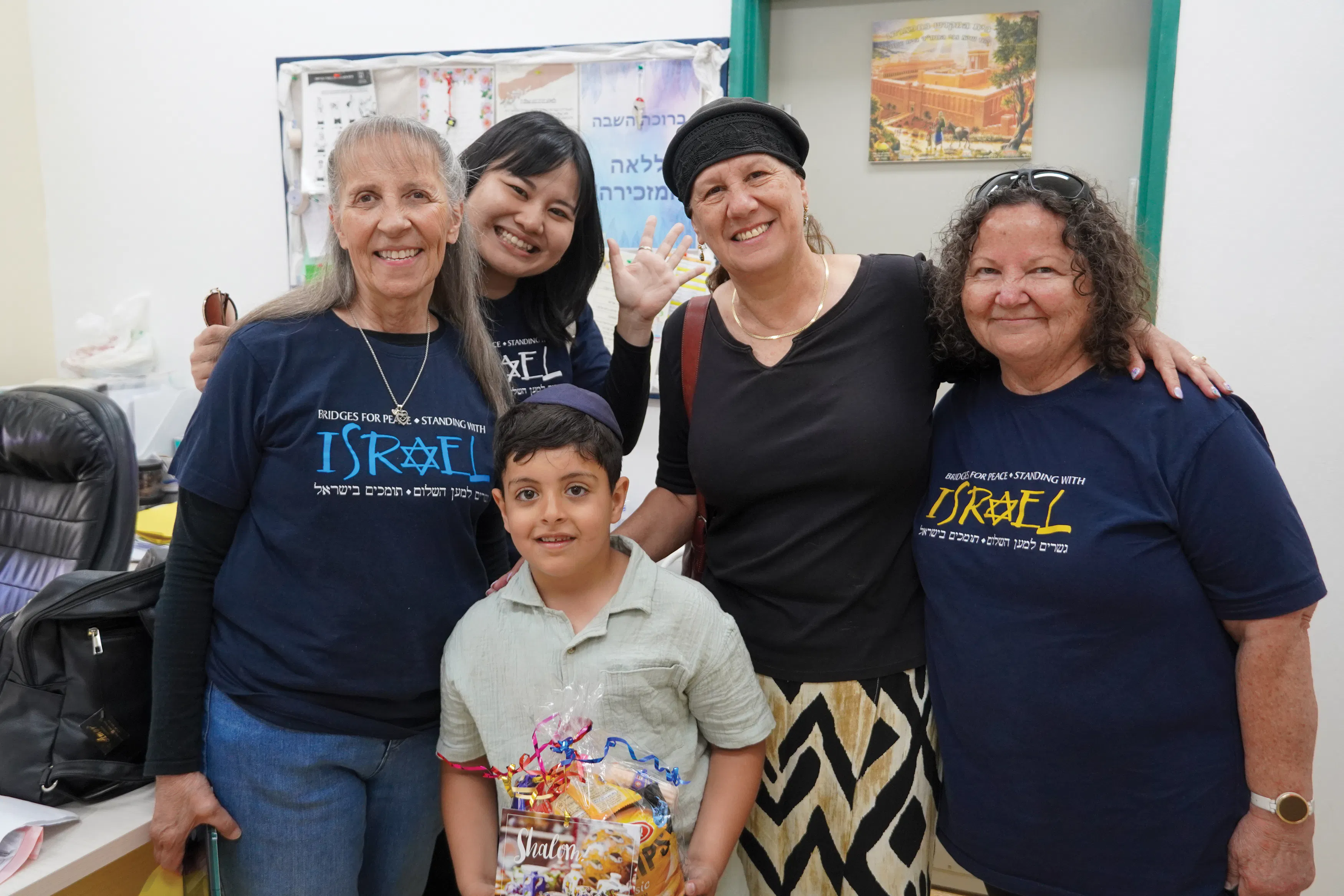
Of course, we said yes. As we placed the bag into Noah’s small hands, his face broke into a brilliant smile his teachers said they hadn’t seen in weeks. “Yom huledet sameach” (Happy Birthday!), we told him, wondering whether a happy occasion was even possible on his first birthday without his father.
As we prepared to leave, Noah shyly asked for a photo of himself with our team, something small he could hold onto. The next day, the school counselor called specifically to thank us for the small gesture that told a grieving little boy that he was remembered.
Here is what I haven’t told you yet: Noah is not enrolled in our Feed a Child program. We happened to be at his school that day with an extra birthday bag in hand. He is one of thousands of children across Israel who need us and qualify for our help, but whom we simply do not yet have the resources to reach.
A Nation of Contradictions
September marks the start of a new school year in Israel. In my own home, that means weeks of anticipation: new backpacks, sleepless nights, children already imagining new friends and new things to discover. For a child fortunate enough to experience it, September carries a certain magic.
For children like Noah, it carries something else. Israel is a study in contrasts. It is home to a booming high-tech economy, a surging stock market and some of the brightest engineering minds in the world. And yet, year after year, Israel ranks among the lowest in the OECD (Organization for Economic Co-operation and Development) for child poverty, keeping company with nations like Costa Rica rather than its economic peers.
According to Israel’s National Insurance Institute, roughly 28% of Israeli children—nearly 880,000 boys and girls—live below the poverty line. This is not, for the most part, a story about parents who don’t work. Unlike many countries where poverty tracks closely with unemployment, a significant share of Israel’s poor families have one or even two working parents. The problem is that the cost of living—housing, food, childcare—has climbed so steeply that even a full-time wage no longer stretches to cover it.
Layer the war on top of that, and the picture darkens further. Reserve duty has pulled fathers from their jobs for months at a time. Businesses near the borders have closed. Families displaced from the north and south have lost income along with their homes. Borderline households that were barely managing before October 7 have been pushed over the edge since—families like Noah’s.
The Cycle They Can't Break
Nearly one million children will walk into Israeli classrooms this September already behind. Hungry. Distracted. Experts will tell you that a hungry child cannot concentrate, cannot retain what is taught, cannot compete on equal footing with a well-fed classmate. And so a child who arrives at school already disadvantaged tends to leave school the same way: locked into a cycle that poverty rarely releases on its own.
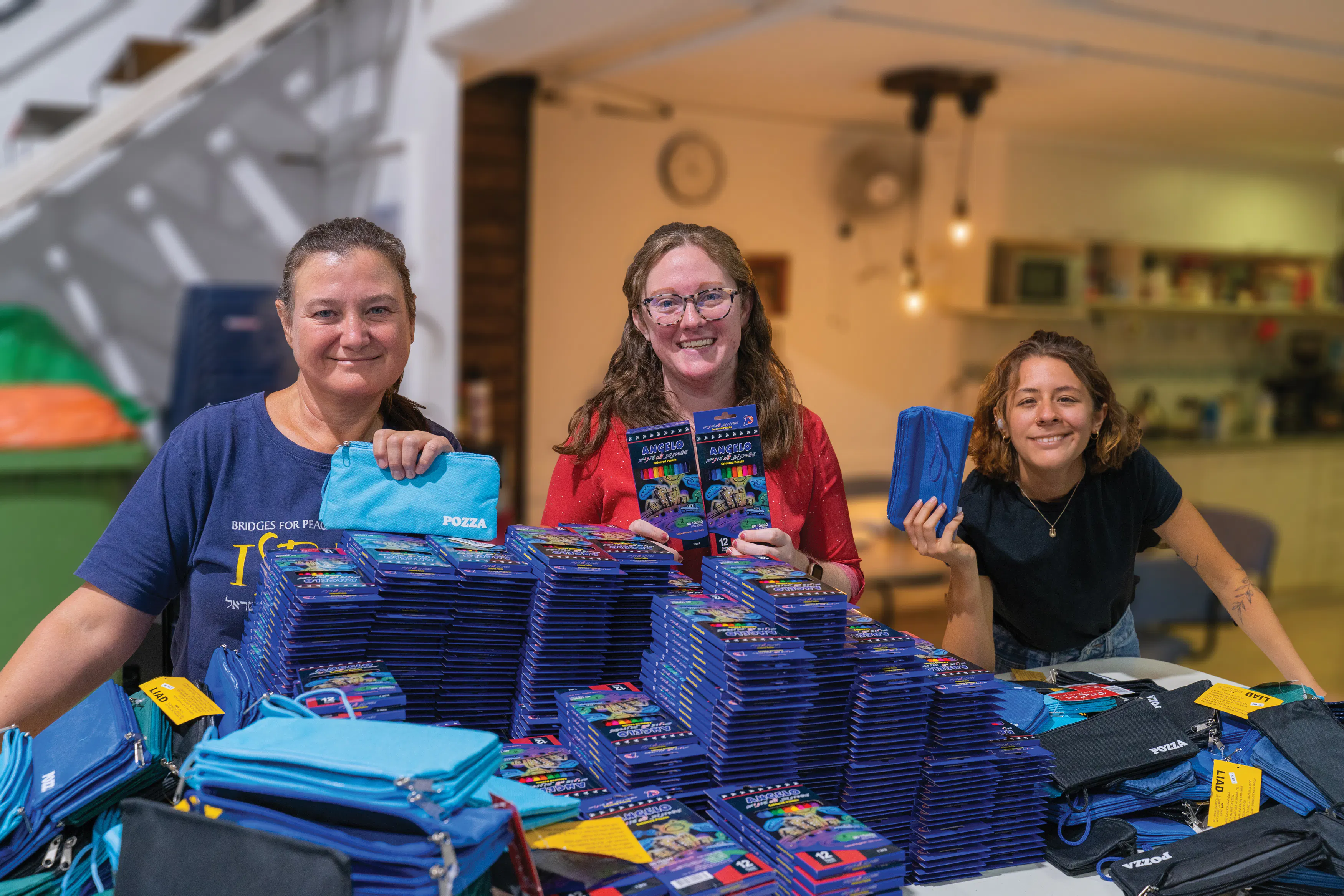
A hot meal. A backpack. The pencils, notebooks and supplies that other children take for granted. These are small things, but they remove the shame that keeps a child silent in the back row. They put a child on equal footing with their peers. They free a child to simply be a child, to learn, to grow, to dream about who they might become. In doing that, you are not only feeding a child. You are building Israel’s future, one classroom at a time.
Ours to Carry
We could reach Noah that day only because we happened to be there with an extra birthday bag in hand. Every child God brings across our path becomes, in a very real sense, ours to carry, not instead of their own families, but alongside them. That is what our Feed a Child program does. Your gift provides a hot, nutritious school-day meal. It fills a backpack with the supplies a child needs to walk into the classroom without shame. It covers the cost of a school outing or an after-school activity so a child is not left standing at the edges of their own childhood.
Scripture tells us, “If you pour yourself out for the hungry and satisfy the desire of the afflicted, then shall your light rise in the darkness” (Isa. 58:10 ESV). This September, as nearly a million Israeli children walk into classrooms carrying burdens no child should have to bear, will you help us pour ourselves out for them?
Will you help us tell a child like Noah, and thousands like him: you are seen, you are provided for, you are ours to carry?
Please give generously to our Feed a Child program today.
With love and shalom,
Rev. Peter J. Fast
International President & CEO
*Name changed to protect privacy.
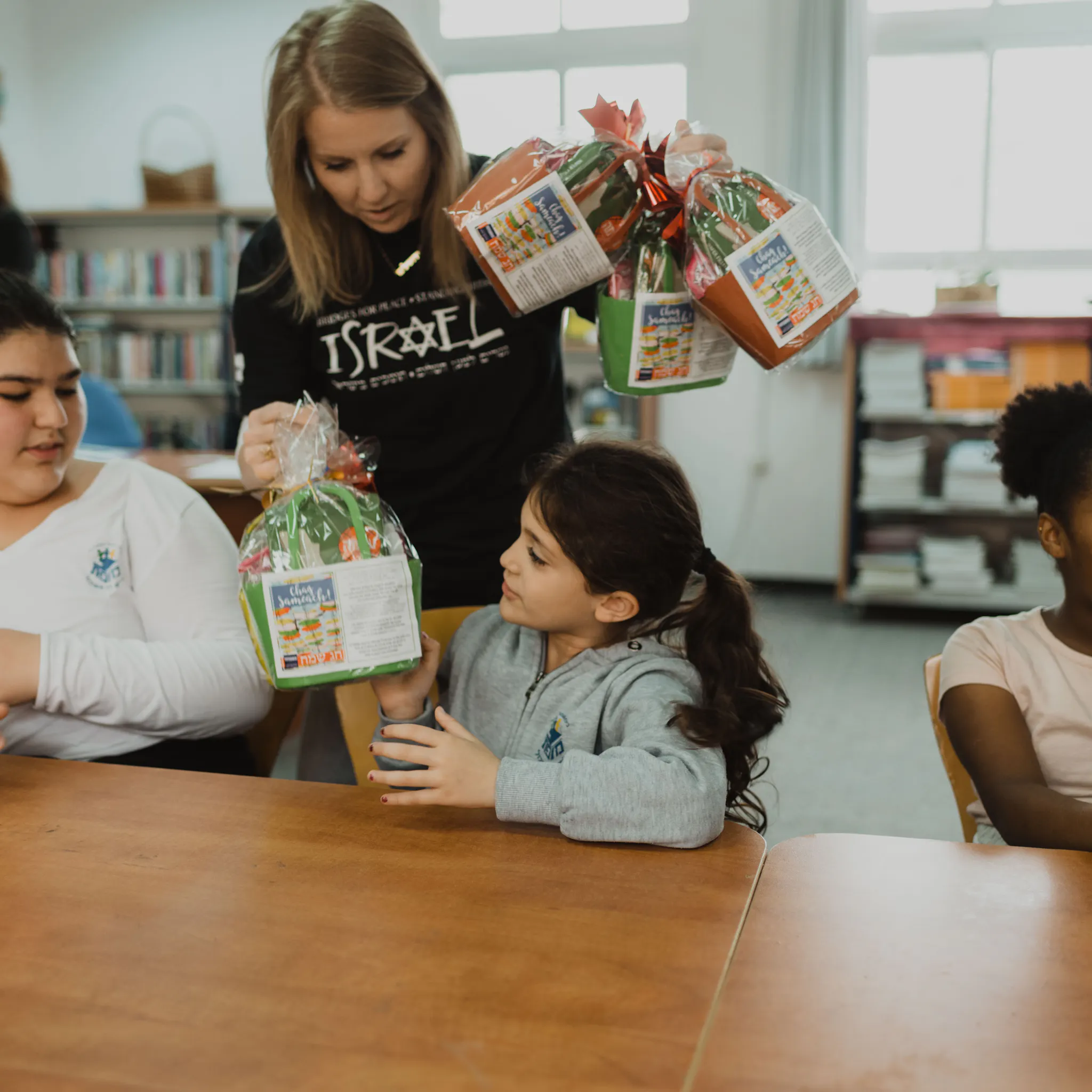
Feed a Child
Build Israel’s future by equipping children from struggling families with what they need to thrive. These children need more than a hot meal. They need to know they are loved and remembered. Your support provides nutritious meals, school supplies, backpacks and encouragement that lifts their spirits and strengthens their future.
Donate NowRelated Resources



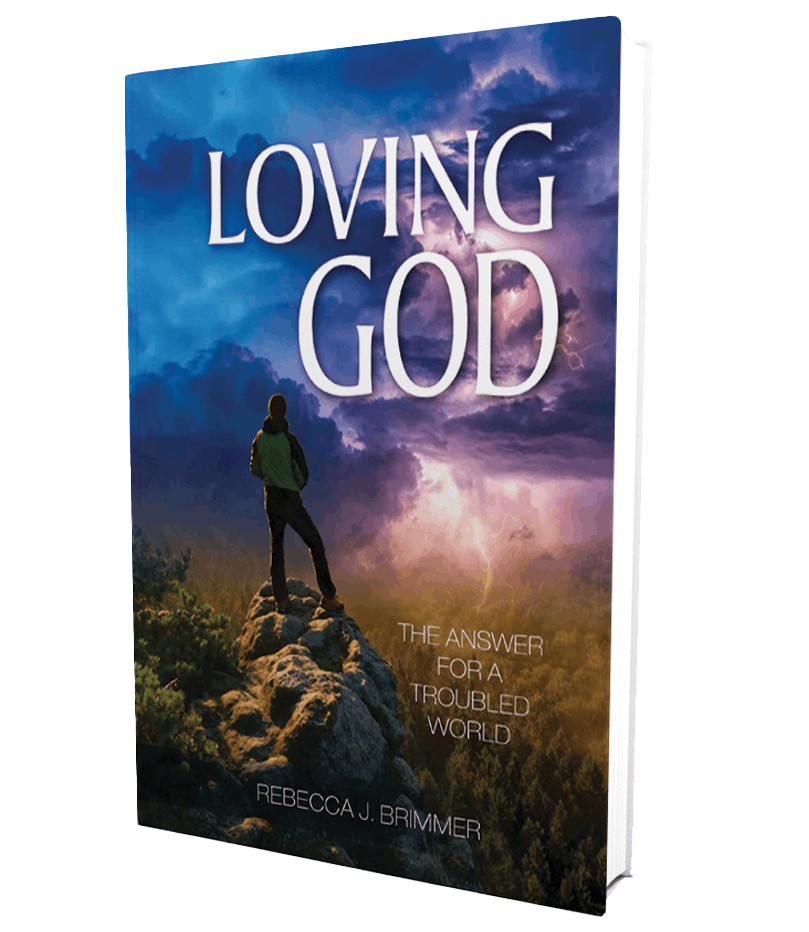
Discover Your Purpose and God’s Heart For You
In today's divided, turbulent world, it's essential for the Church to rediscover God's heart. Our free e-book, authored by a seasoned expert with three decades of experience in Israel, delves deep into the teachings of Jesus (Yeshua) to reveal God’s principles of love and purpose. Learn how embracing these truths can bring significance and impact to your life, even amidst chaos. Subscribe now to receive your free copy and embark on a journey of transformation.