Brothers in Arms

War doesn’t make the news cycle pause for good news.
In the nearly two years since October 7 plunged Israel into the longest and most grueling conflict in the modern Jewish state’s history, the headlines have been relentless. Casualties. Hostages. Rocket attacks. International condemnation. Legal battles in The Hague. The weight of it is real, and it accumulates. After a while, even the most steadfast supporters of Israel can feel the heaviness settle into their bones. That is precisely why, every now and then, we need to stop and breathe in the good. Because good is still happening.
A Signing in Athens
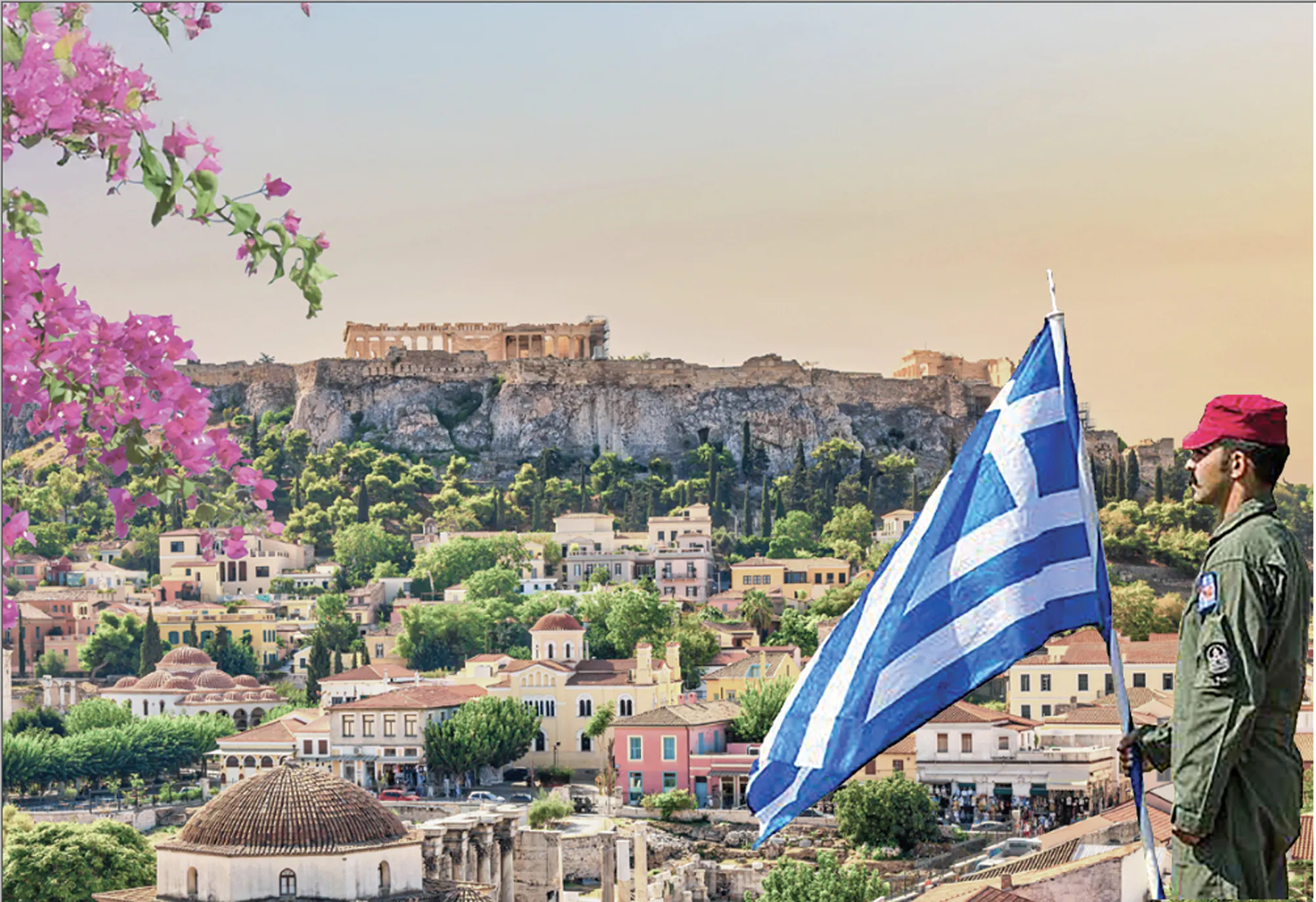
On an otherwise ordinary Monday in April, in the Greek capital of Athens, something quietly remarkable took place. Senior defense officials from Israel and Greece gathered at the Hellenic Ministry of National Defense for a signing ceremony. There was very little fanfare and even fewer global headlines. Just two nations, two sets of signatures, and a landmark defense agreement worth approximately US $750 million (€642 million).
Under the deal, Israel's Elbit Systems will supply Greece with PULS—Precise and Universal Launching System—rocket artillery. This includes dozens of launchers and precision-guided rockets in a contract spanning four years of delivery and a decade of maintenance and support. Greek defense industries will also participate in production, weaving the two countries’ capabilities together in something more than a transaction. It is, by any measure, a significant agreement.
But the dollar figure, impressive as it may be, isn’t the entire story. The story is what it represents.
A Friendship Forged Over Time
Israel and Greece are, in many ways, an unlikely pairing. Two small nations on the edges of continents, each carrying the weight of an ancient history, each no stranger to the threat of enemies larger and louder than themselves. Yet in recent years, the two countries have quietly built something durable.
Joint military exercises. An air training center in southern Greece. A growing web of economic and diplomatic ties. And now, a string of defense agreements that together tell the story of two nations choosing to face an uncertain world shoulder to shoulder.
Greek lawmakers approved the PULS deal in December 2025, part of a sweeping €28 billion (US $33 billion) military modernization program as Greece keeps pace with its historic rival, Turkey. This agreement follows others: anti-tank missiles, air defense systems and a proposed missile defense dome valued at €3 billion (US $3.5 billion) still in discussion.
The deal was years in the making. Negotiations stretched over two and a half years, delayed in part by the war raging on Israel’s borders. That the agreement was signed at all, in the middle of an active conflict, says something about the resolve of both parties.
Good News in Hard Times
There is a temptation in seasons of prolonged hardship to feel almost guilty about good news. As though celebrating an alliance or an agreement is somehow indecent while soldiers are still in the field and families are still grieving. But that instinct, however understandable, is wrong.
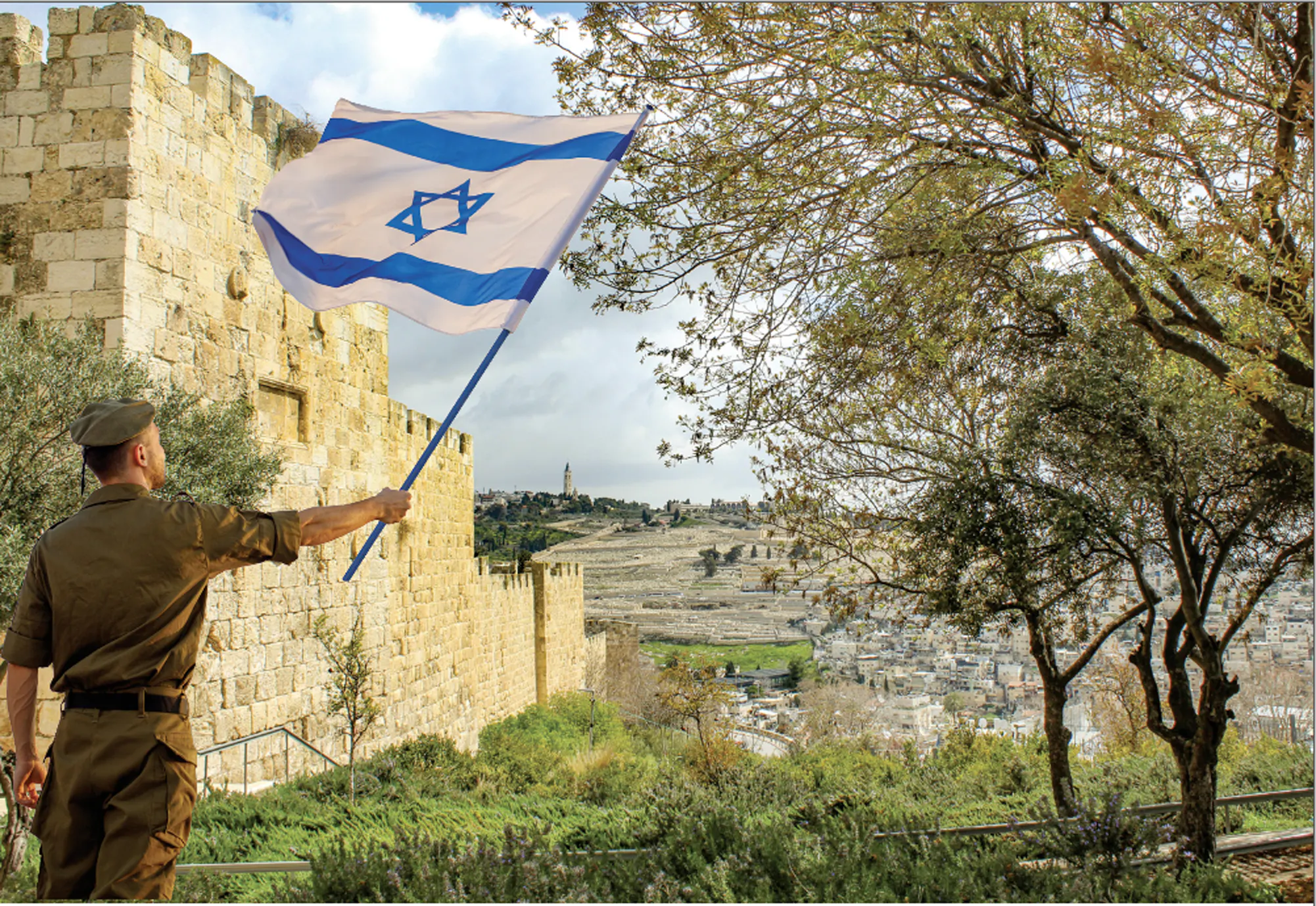
The people of Nehemiah’s day understood this. When the exiles returned to Jerusalem and heard the Law of God read aloud for the first time, they wept. The weight of what they had lost, of how far they had wandered, of all the years in between, came crashing down. Yet Nehemiah stood before them and said something that cuts against every instinct of guilt-laden grief: “Go and enjoy choice food and sweet drinks...Do not grieve, for the joy of the Lord is your strength” (Neh. 8:10 NIV).
Do not grieve. Not because the sorrow isn't real. It is. But because grief, left unchecked and unbalanced, hollows out the very strength you need to keep going.
God is not a God who only works in the easy seasons. He is a God who weaves good into the fabric of hard times, who places unlikely alliances in the path of His people, who raises up brothers in unexpected places. The Scripture is full of it. Joseph in an Egyptian prison. Ruth in a foreign field. Esther in a pagan palace. Again and again, God proves that His capacity for good is not constrained by human circumstance. And so, a US $750 million defense agreement signed in Athens, in the middle of a war, is not a contradiction. It is evidence.
Brothers
There’s a word that keeps surfacing when Israelis talk about what sustains them through this long conflict. Not strategy. Not statistics. Achim. Brothers.
The soldier in the field knows his brother is beside him. The widow in her grief knows her community has not forgotten her. The nation under fire knows, or needs to know, that it does not stand alone. That is survival.
Greece standing with Israel in this moment is part of that story. This ancient nation is choosing alliance over neutrality and partnership over indifference. It stands as proof of the willingness to be counted as a friend when the cost of friendship is real.
For Christians watching from around the world, there is a lesson here too. Solidarity is not passive. Instead, it is signed, sealed and committed to. All too often, it costs something. And when it does, it means something.
Israel is surrounded by enemies who have made their intentions plain. But she is also surrounded, more than the headlines suggest, by friends. And sometimes, in the middle of the hardest chapter of a long story, a ceremony in Athens on an otherwise ordinary Monday morning is exactly the reminder we all need.
Related Resources





Discover Your Purpose and God’s Heart For You
In today's divided, turbulent world, it's essential for the Church to rediscover God's heart. Our free e-book, authored by a seasoned expert with three decades of experience in Israel, delves deep into the teachings of Jesus (Yeshua) to reveal God’s principles of love and purpose. Learn how embracing these truths can bring significance and impact to your life, even amidst chaos. Subscribe now to receive your free copy and embark on a journey of transformation.